 Wassamasaw Tribe Of Varnertown
Indians
Growing Our Future: The Wassamasaw Tribe's Two-Acre Vegetable Garden
Cultivating Our Land. Preserving Our Traditions. Nourishing Our Community.
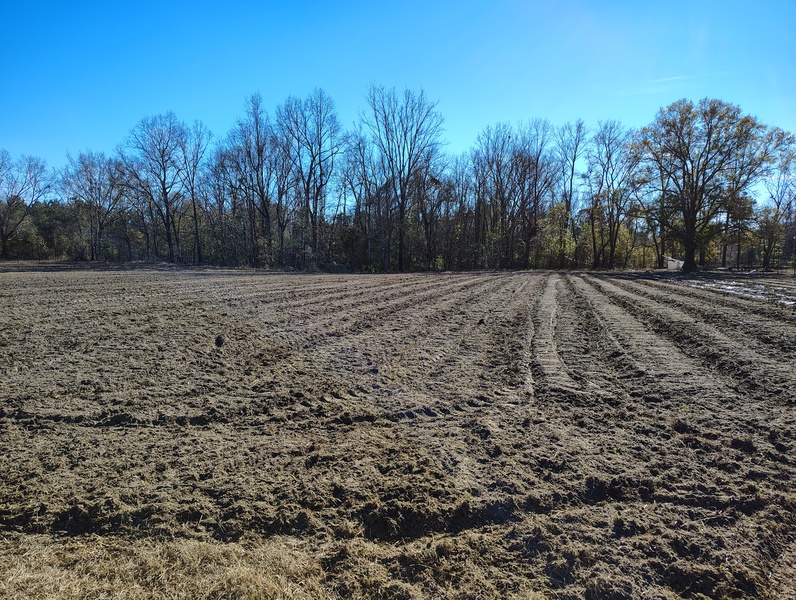
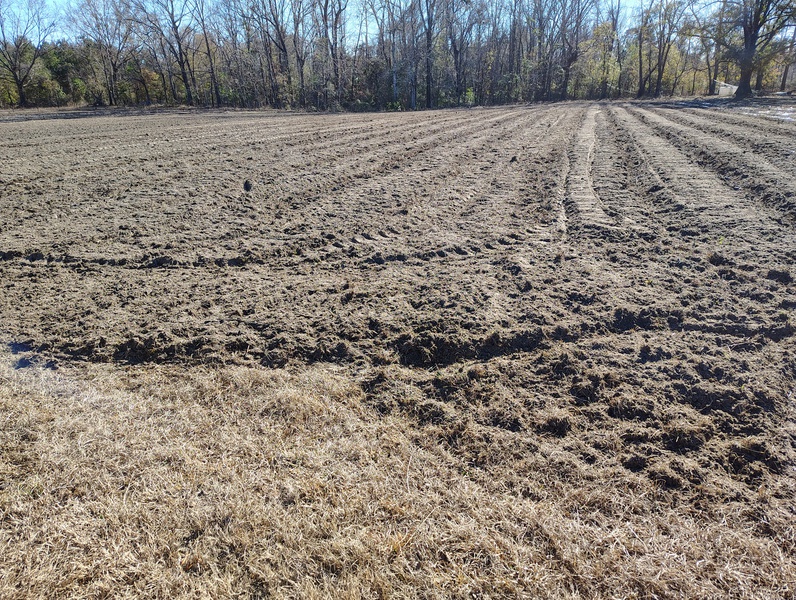
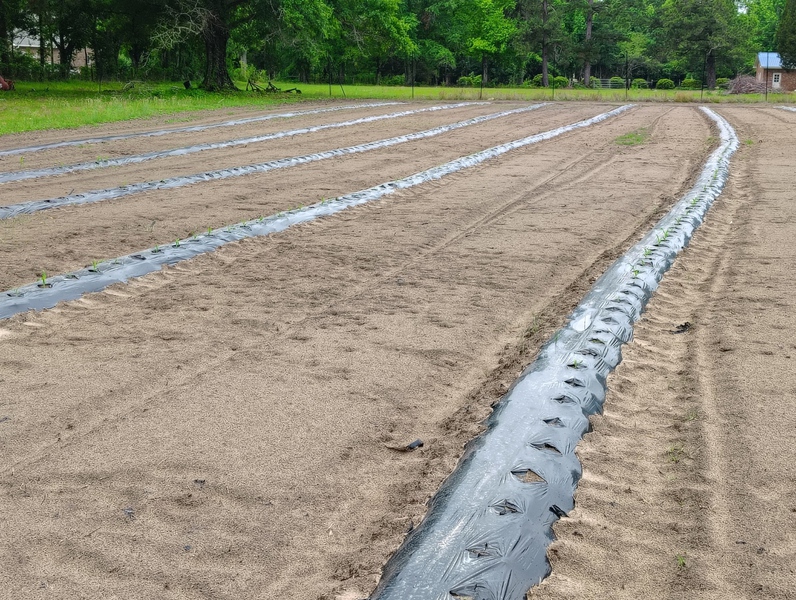
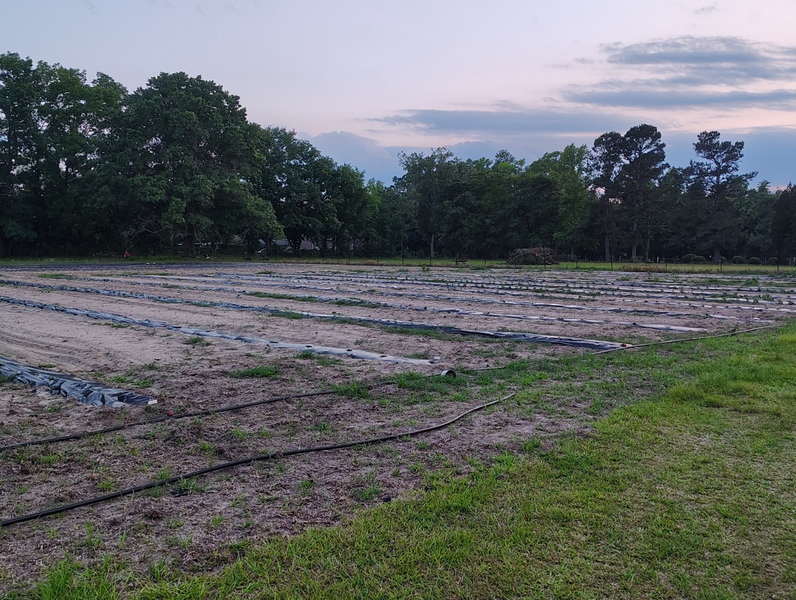
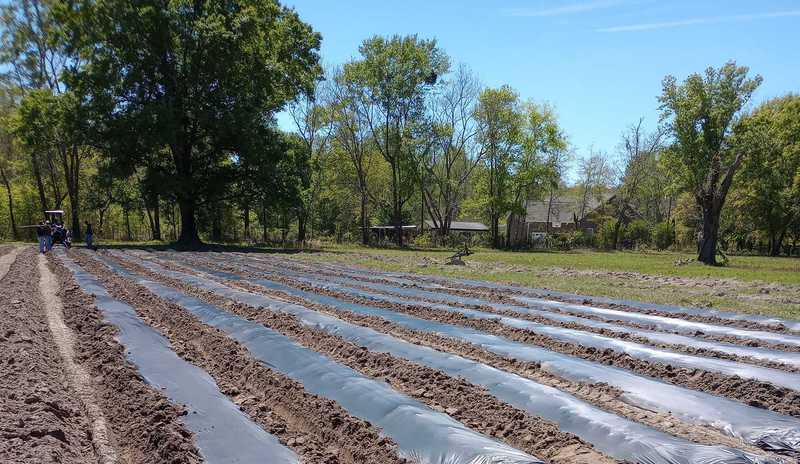
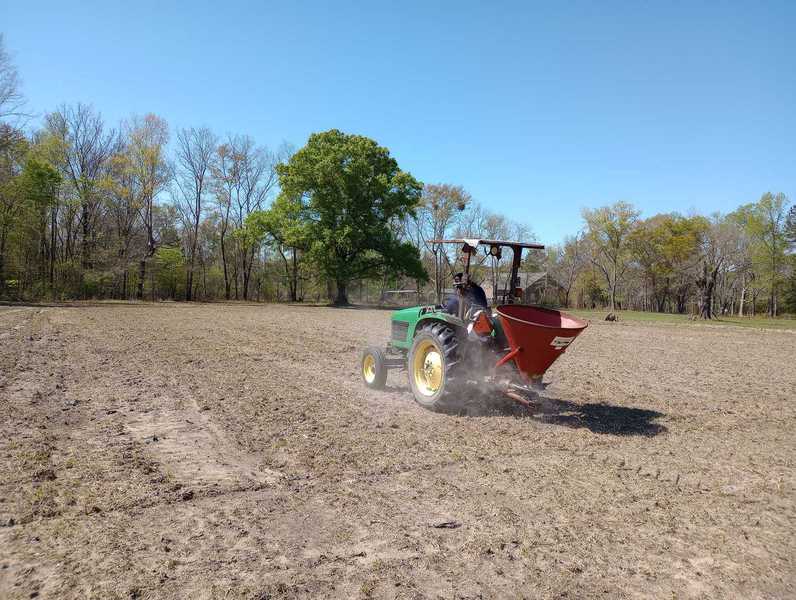
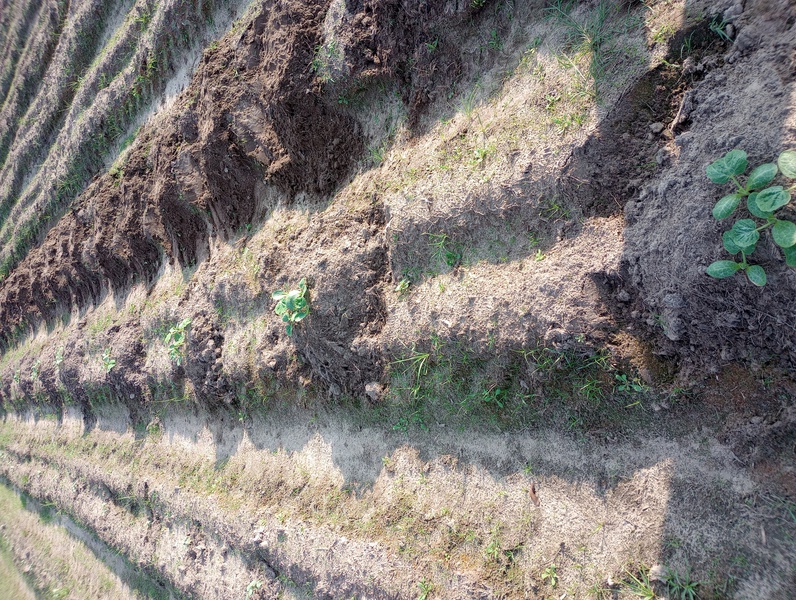
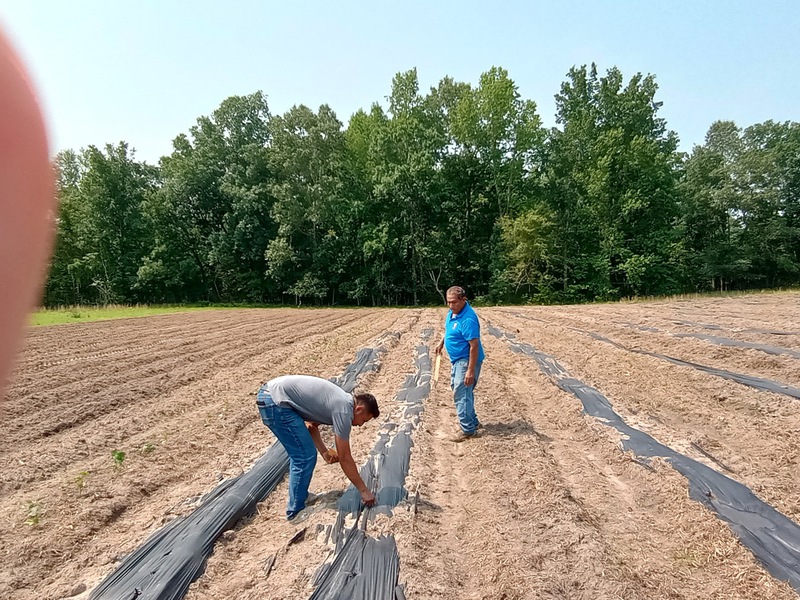
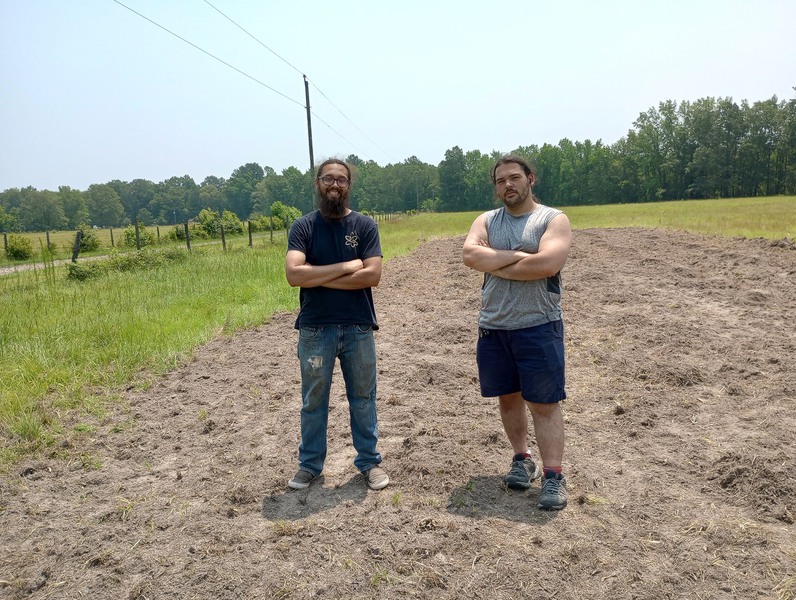
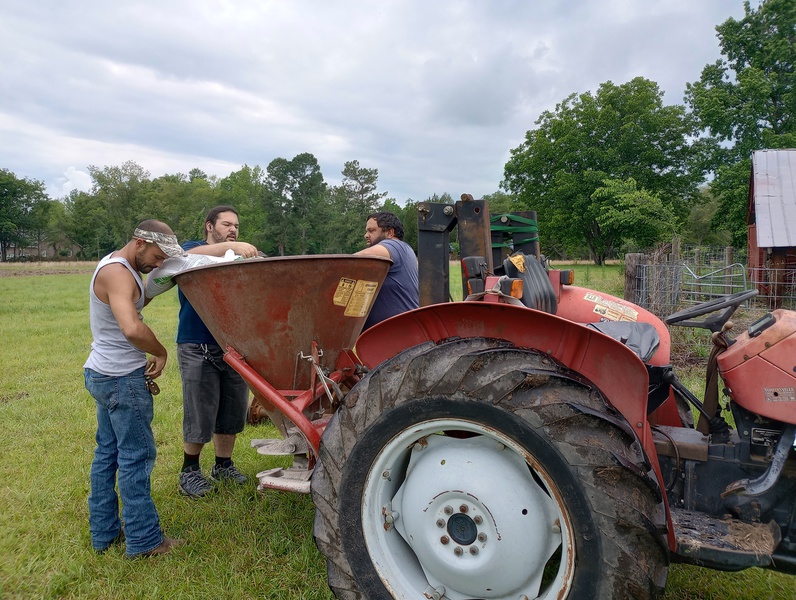
For generations, agriculture has played an essential role in the lives of Indigenous peoples throughout the South Carolina Lowcountry. Our ancestors cultivated the land, harvested seasonal crops, preserved seeds, and passed down agricultural knowledge that sustained their families and communities. Today, the Wassamasaw Tribe of Varnertown Indians is continuing these traditions through the development of our two-acre, in-ground vegetable garden, an important part of our expanding Tribal Farm and Garden Program.
Our garden is more than a place to grow vegetables. It represents our commitment to food sovereignty, cultural preservation, environmental stewardship, and the long-term health and well-being of our Tribal community.
What We Grow
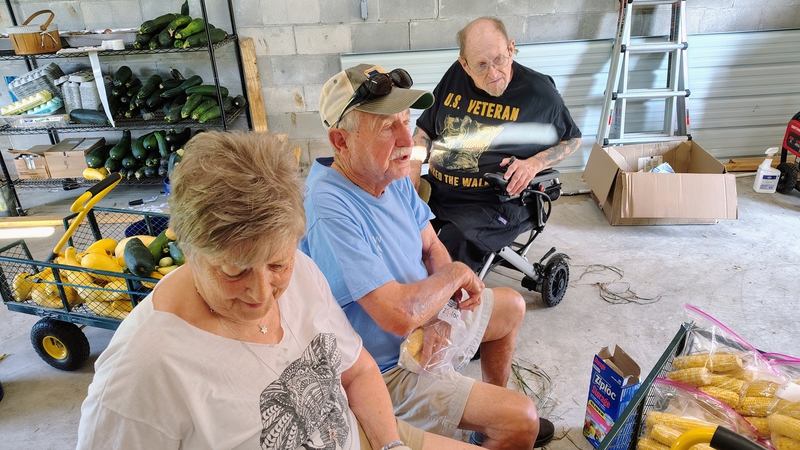
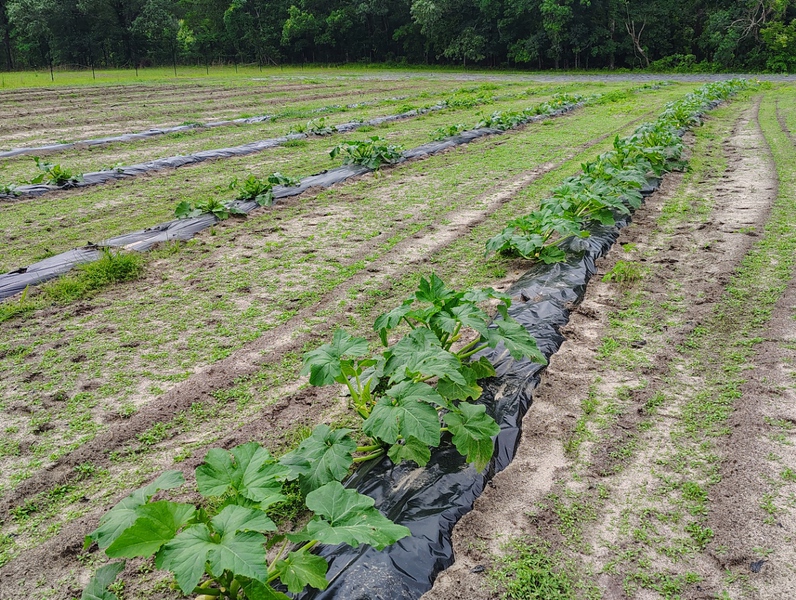
Our two-acre vegetable garden supports the cultivation of a wide variety of seasonal crops, including:
-
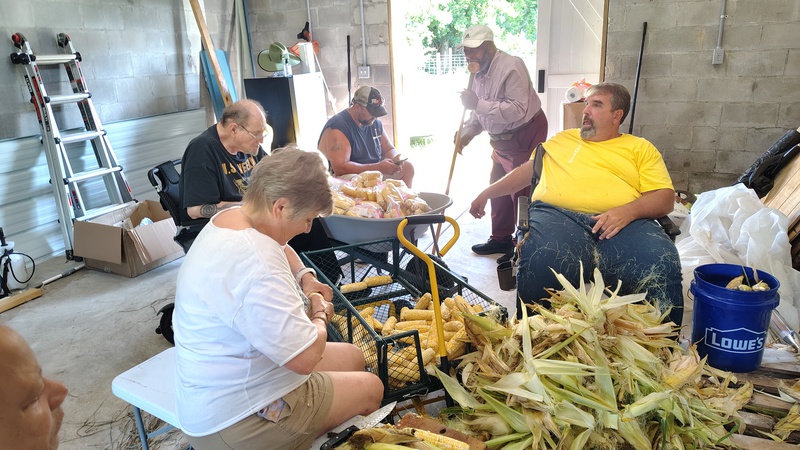
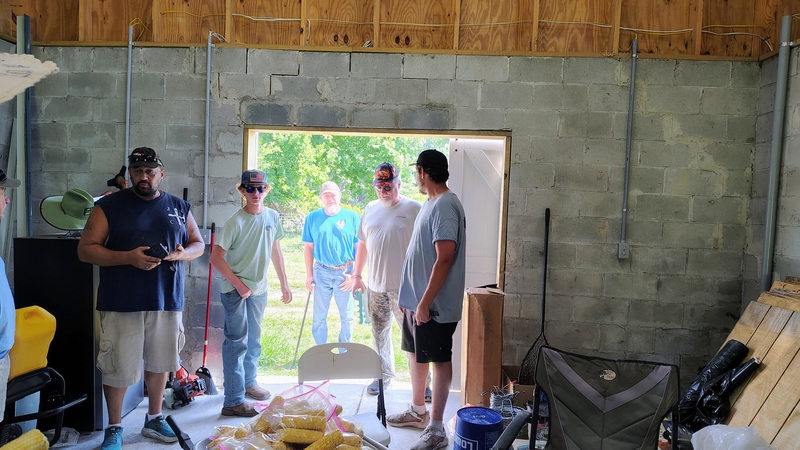
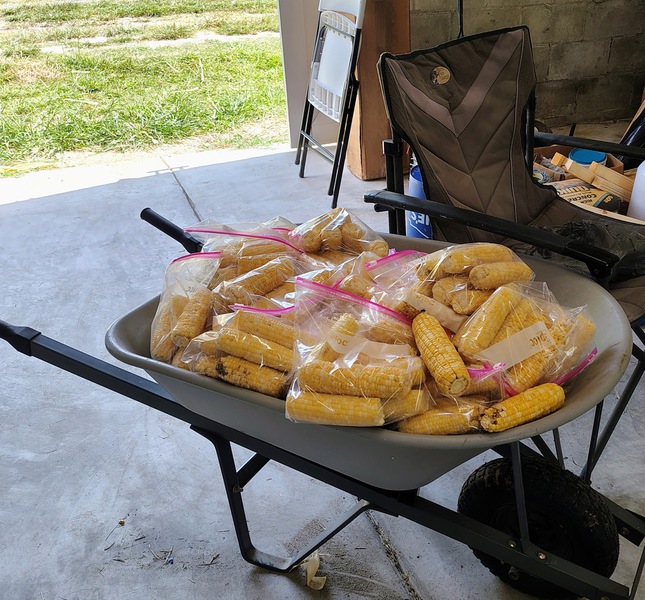
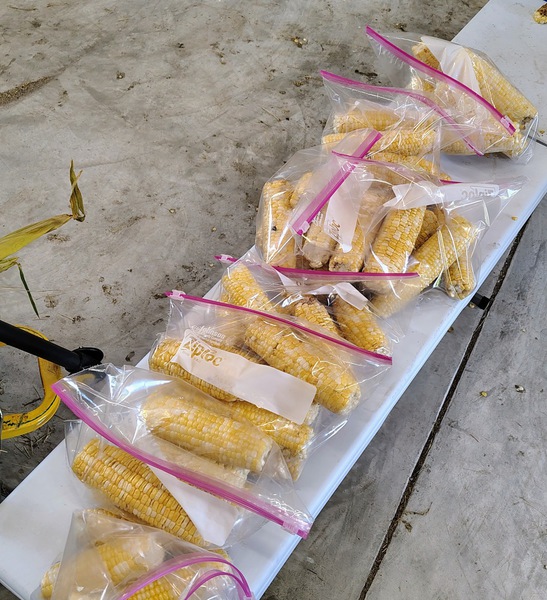
Corn: A foundational crop in Indigenous agricultural traditions, representing nourishment, community, and the importance of preserving traditional growing knowledge.
-
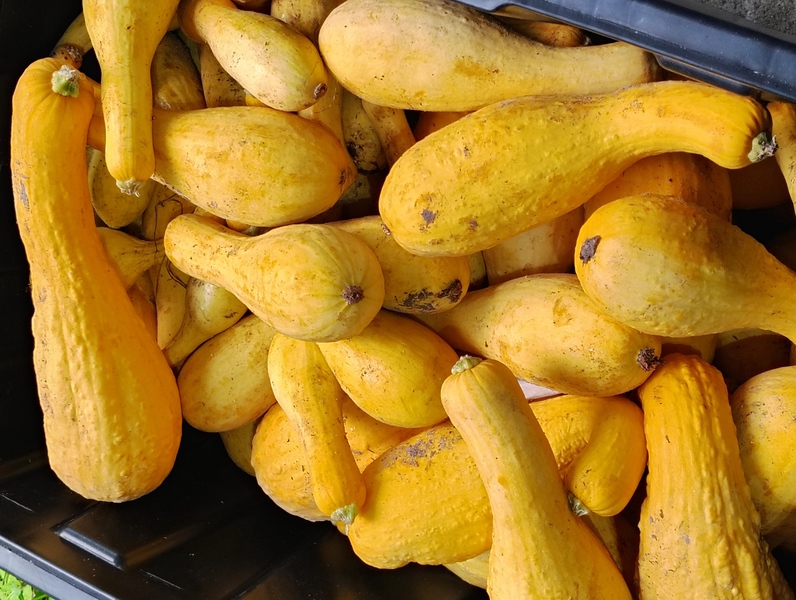
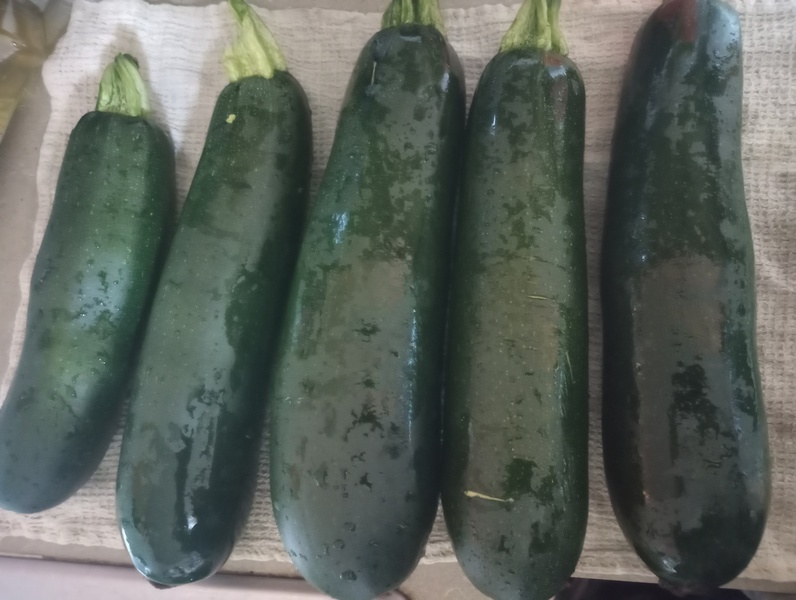
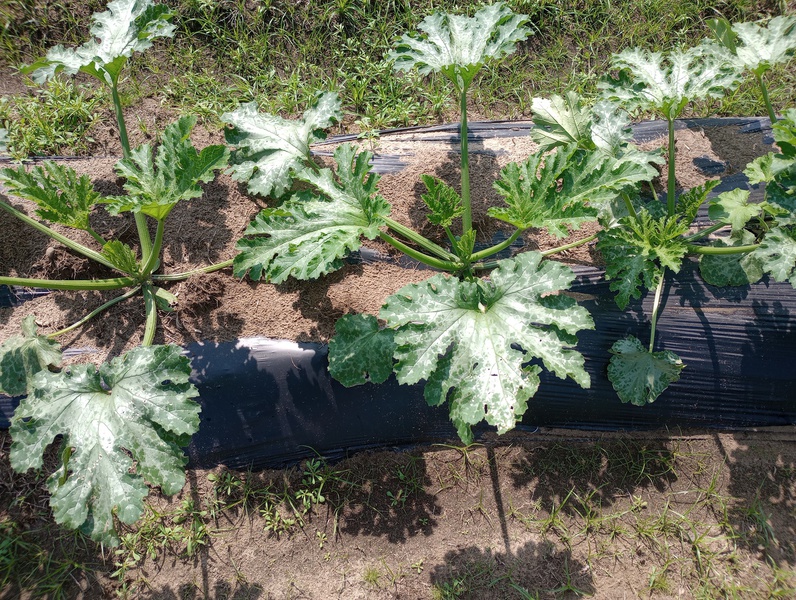
Zucchini and Squash: Versatile summer vegetables that provide abundant seasonal harvests and opportunities to teach planting and harvesting techniques.
-
Cucumbers: A productive warm-season crop that supports fresh food access and healthy eating.
-
Beans: An important source of nutrition and a crop historically associated with Indigenous agricultural practices.
-
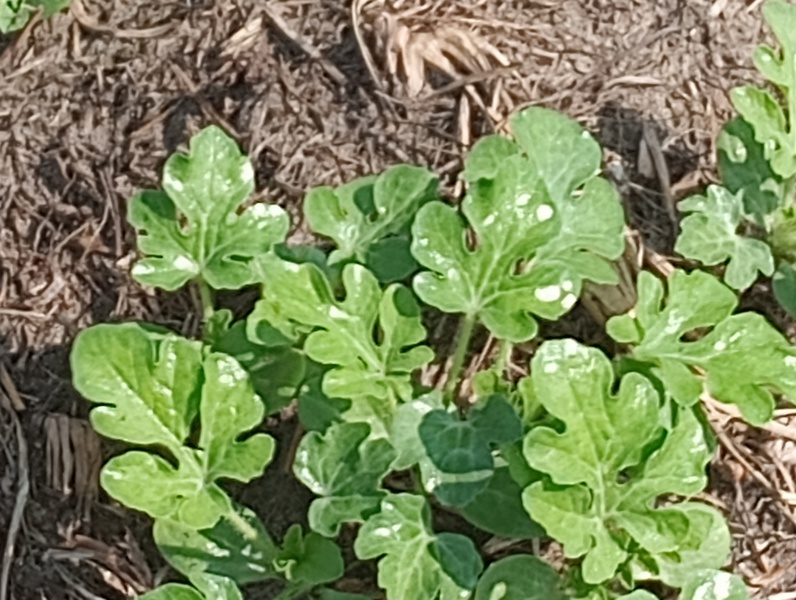
Watermelons: A longstanding part of Southern agricultural traditions and a favorite seasonal crop for families.
-
Mustard Greens and Collard Greens: Staples of Lowcountry foodways that connect our agricultural program to generations of family cooking and community meals.
-
Lettuce: A cool-season crop that supports fresh vegetable production during different parts of the growing year.
-
Tomatoes: A versatile garden staple that contributes to healthy meals and seasonal food preservation.
By cultivating a diverse selection of crops, we can support multiple growing seasons, demonstrate different agricultural techniques, and provide educational opportunities for Tribal members of all ages.
Why We Grow: Food Sovereignty and Community Self-Sufficiency
One of the primary goals of our vegetable-growing program is to strengthen Tribal food sovereignty—the ability of our community to make decisions about how food is grown, accessed, and shared.
For generations, Indigenous families relied on their knowledge of the land to provide for their households and neighbors. Our garden builds upon that legacy by creating opportunities to produce fresh, nutritious food locally while reducing dependence on outside food systems.
As the program develops, we hope to expand opportunities for sharing seasonal harvests with Tribal elders, families, and community members, particularly those who may face barriers to accessing affordable fresh produce.
Preserving Agricultural Knowledge Across Generations
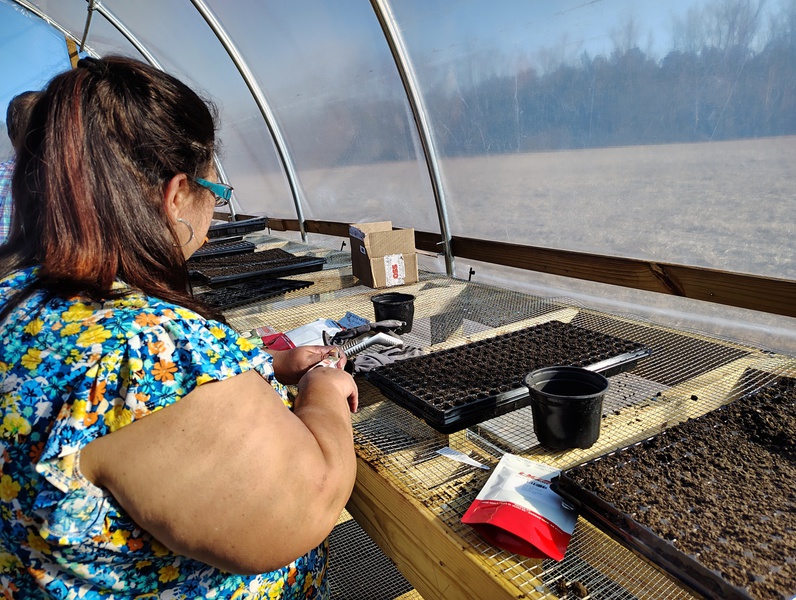
Our garden also serves as a living classroom where traditional knowledge and contemporary agricultural practices can come together.
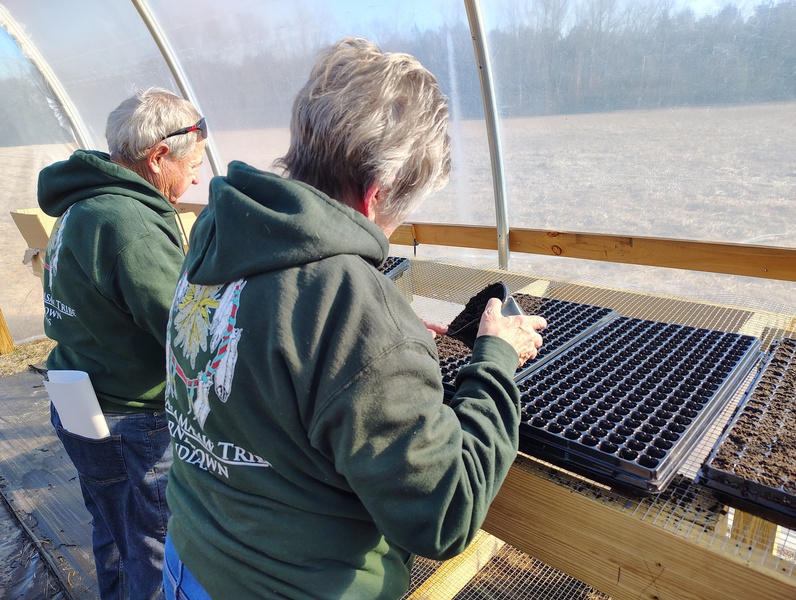
Through hands-on participation, Tribal youth and families can learn about preparing soil, planting seeds, maintaining crops, managing seasonal harvests, composting, and understanding the relationship between healthy land and healthy communities.
Equally important, the garden creates opportunities for our elders to share their experiences, family gardening traditions, recipes, and knowledge of the crops that have sustained generations of Lowcountry families.
We believe cultural preservation does not happen only in museums or classrooms. It also happens in the fields, gardens, kitchens, and everyday practices through which knowledge is passed from one generation to the next.
Support Us

Help Us With Our Capital Campaign to Build the Wassamasaw Tribal Center on Calamus Pond Road in Summerville SC.
https://www.zeffy.com/fundraising/wassamasaw-tribal-center-phase--1
Although we are a State Recognised Tribe we are also organised as a 501(c)(3) non-profit organization. As a public charity, we welcome your support. If you would like to volunteer your time or pro bono work, please contact us for a list of our most needed items or volunteer opportunities. If you would like to provide financial assistance, please use the PayPal link below.
Get Social with Us


 Share
 Print
