 Wassamasaw Tribe Of Varnertown
Indians
Wassamasaw Tribe Of Varnertown
Indians
Wassamasaw Community Farm & Garden
1456 Calamus Pond Road
Summerville, SC 29486
The Community Garden is dedicated to Rose Varner, her children (Jane, David, Margaret, William, Hannah, Eliza, Lavenia, James Marion Varner) and their many descendants. The garden is aimed to support Food Sovereignty for the Wassamasaw Tribal Community and well as to support Low to Moderate Income community members located in Berkeley, Dorchester, and Charleston Counties.
2026 Focus & Goals
Building on the successful completion of 2025 goals, the 2026 focus is on finalization, expansion, and distribution, ensuring that infrastructure investments translate into sustained community benefit.
Infrastructure & Operations
-
Finalizing the CDBG-funded distribution building for full operational use by Summer of 2026
-
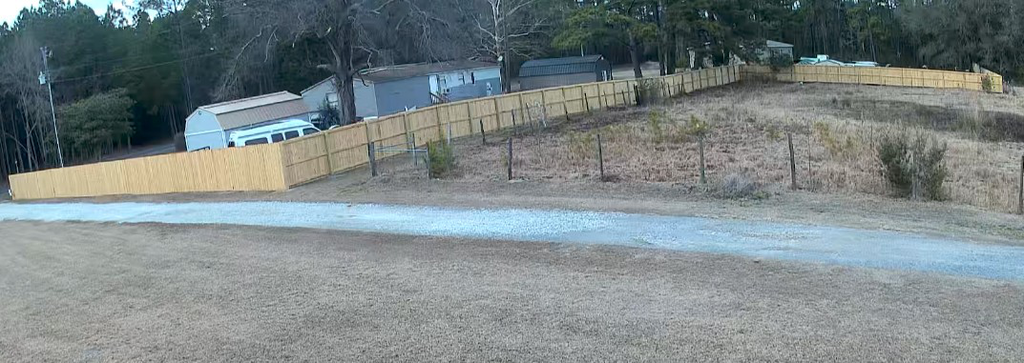
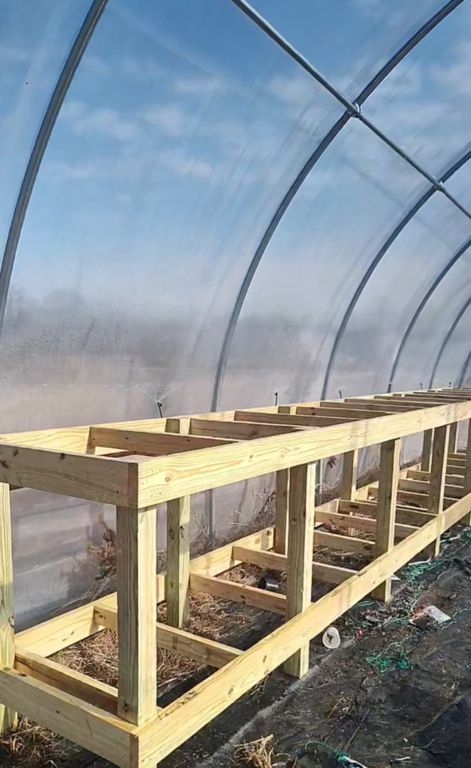
Installing perimeter fencing for cattle acreage to support safe and effective livestock management and completing irrigation installation in the hoop houses, supported by the Sovereign Equity Fund
Agriculture & Stewardship
-
Continuing partnerships with USDA and NRCS to:
-
Implement an engineered drip tape irrigation system for in-ground beds
-
Install cross fencing to support rotational grazing for cattle
-
-
Expanding production through the planting of a fruit tree orchard, diversifying long-term food sources
Youth & Education
-
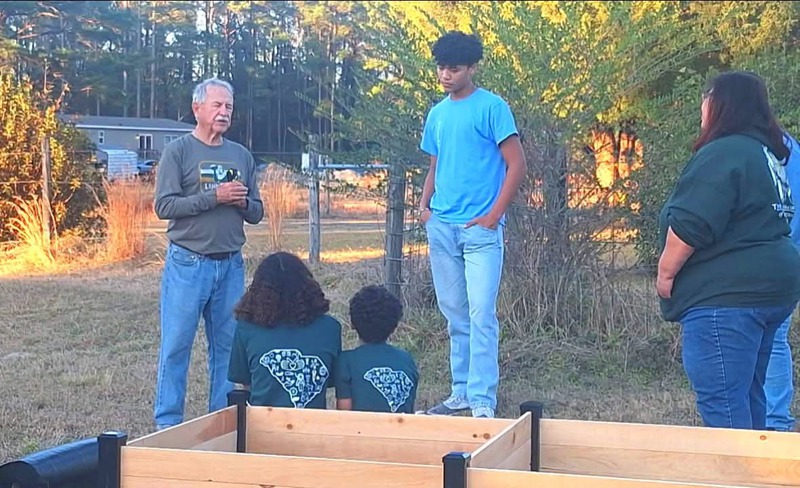
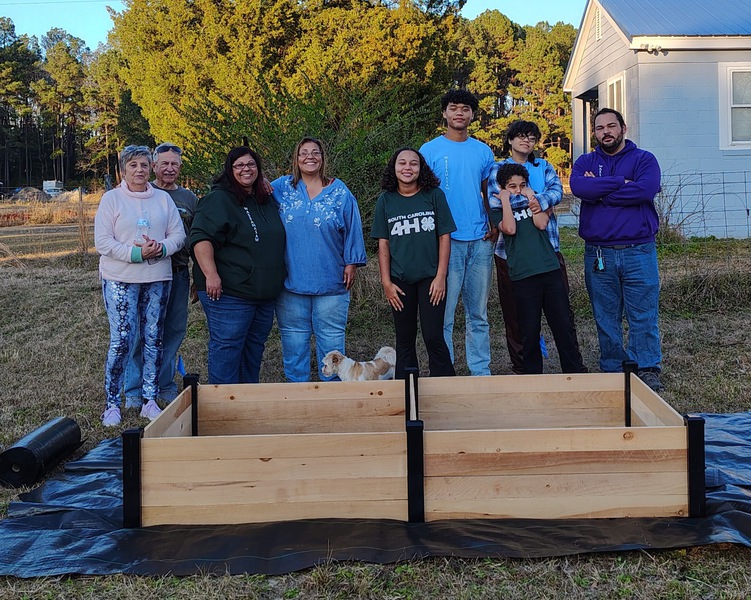
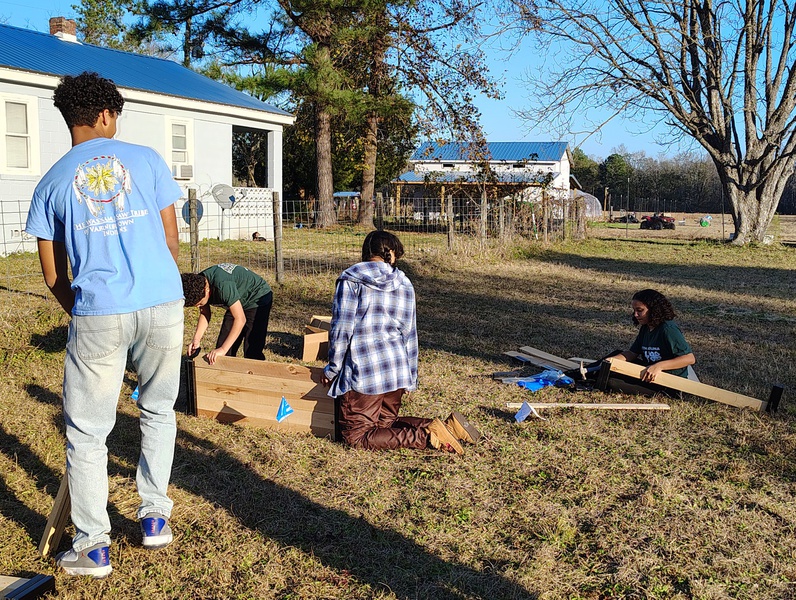
Continuing and expanding the Youth Garden Project, funded by the Indigenous Tomorrrow's Fund. with raised beds and the outdoor teaching area coming fully into production by summer 2026
-
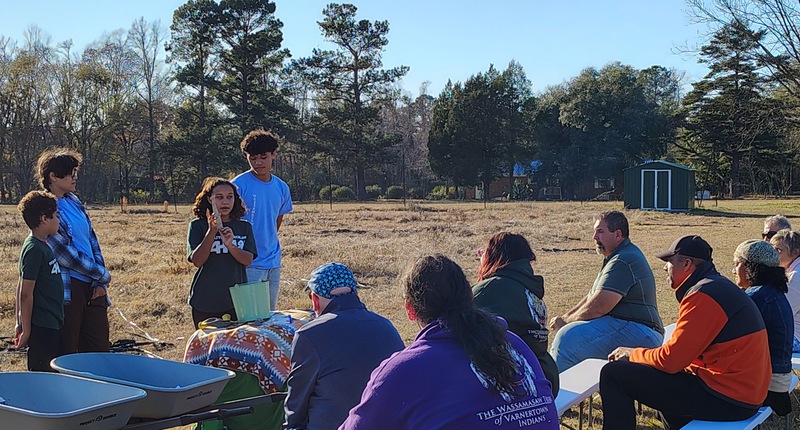
Continue the Intergenerational Learning Classes at the Farm where youth learn from the elders
-
Increasing hands-on youth education tied to seasonal cultivation, stewardship, and leadership development
-
Conduct workshops at the Farm and Garden so that the community can continue our land stewardship and food sovereignty efforts for generations to come
Water Quality & Environmental Responsibility
-
Advancing the Water Quality Initiative in support of Healthy Harbors, recognizing the Farm & Garden’s connection to the Wassamassaw Swamp and the Tribe’s responsibility to protect surrounding waterways
Food Distribution & Access
-
Securing a food distribution vehicle to deliver produce to elders who are unable to travel to the farm
-
Establishing regular produce pickup days at the distribution building throughout the summer growing season
Looking Forward
The Wassamasaw Tribe Community Farm & Garden continues to grow as a model of tribal food sovereignty, intergenerational learning, and community-led land stewardship. Through strategic partnerships, cultural grounding, and sustained community leadership, the program is strengthening both immediate food access and long-term resilience.
As the Farm & Garden moves into 2026, the focus shifts from building infrastructure to fully activating it—ensuring that the land, facilities, and programs serve current needs while preparing future generations to lead with knowledge, responsibility, and respect for the land.
.
2025 Focus - Enhance the Wassamasaw Tribe Community Garden for Food Sovereignty
Thank you everyone who is helping with the Wassamasaw Tribal Community Garden dedicated to Rose Varner and her descendants. We began with a few rows in 2023 and expanded to 2 acres in 2024. The tribal goal is to provide a sustainable food source for the Wassamasaw Tribe. Education is a key component of this project, and it is driven by community leadership to ensure long-term sustainability. The program incorporates both traditional knowledge and modern techniques to build resilience and increase climate change adaptation. Key educational elements include:
Elders as Knowledge Keepers:
Elders lead intergenerational workshops to pass on knowledge of traditional farming techniques, land stewardship, and adaptation strategies.
Youth-Led Learning:
Youth engage in hands-on activities, working alongside elders to learn about sustainable farming, soil regeneration, and water conservation. This helps to foster a generation of leaders who are connected to both their cultural heritage and modern climate adaptation strategies.
Everyone is welcome to contribute to the community garden and we look forward to growing this initiative each year. To join the Garden Committee, email wassamasaw@hotmail.com.
Our goals for 2025: Finish the Senior Raised Bed Area, Start our Cattle Program, Renovate the Barn, Begin a Youth Raised Bed and Outdoor teaching area, and finally to install a metal building with bathrooms, kitchen, food storage, and classroom area so that we can use as a food distribition point as well as a place to conduct educational classes at the farm and garden.
FINAL YEAR END SUMMARY:
In 2025, the Wassamasaw Tribe Community Farm & Garden focused on strengthening food sovereignty through expanded infrastructure, intergenerational education, and operational readiness. The program successfully completed all established 2025 goals, representing a significant advancement in both capacity and impact.
Key accomplishments included:
-
Completion of the Senior Raised Bed Area, improving accessibility and participation for elders
-
Launch of the Cattle Program, expanding food production capacity and land use
-
Renovation of the existing barn, improving functionality for storage and farm operations
-
Launch of the Youth Garden Project in December 2025 for hands-on, intergenerational education
-
Grant received for 2026 installation of a metal distribution building with bathrooms, kitchen, food storage, and classroom space to support food distribution, educational programming, and community gatherings
While the Youth Raised Beds and Outdoor Teaching Area were established in late 2025, these components are designed to come fully into production and active educational use by summer 2026, supporting expanded youth programming and seasonal cultivation.
Collectively, these accomplishments strengthened the Farm & Garden’s infrastructure, improved food access, and laid the groundwork for expanded education and distribution.
2025 - Lowe's Hometown Grant Award
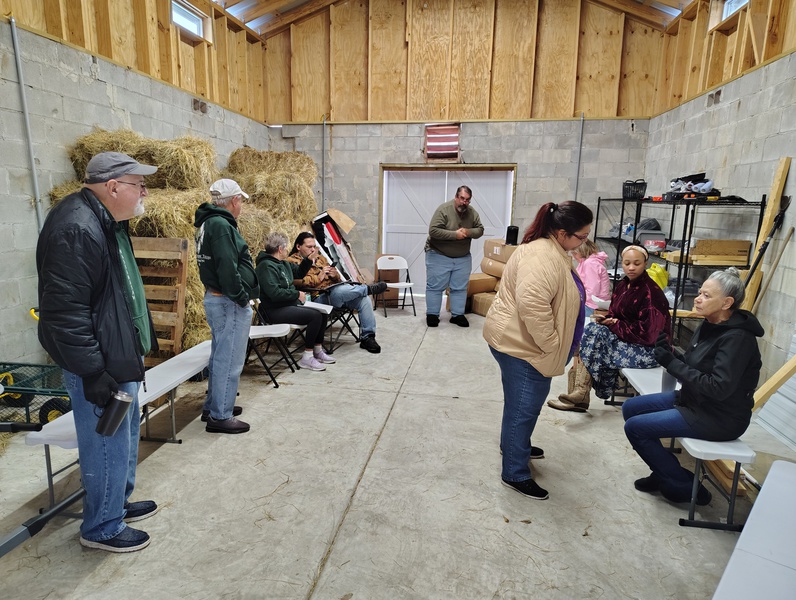
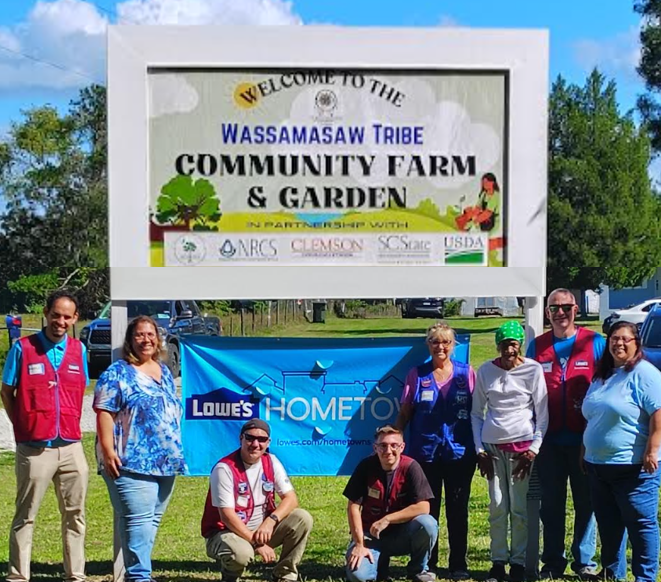
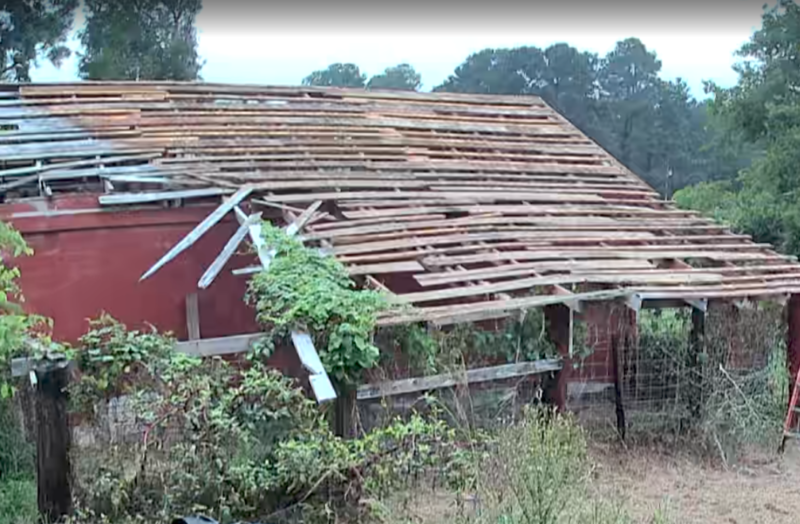
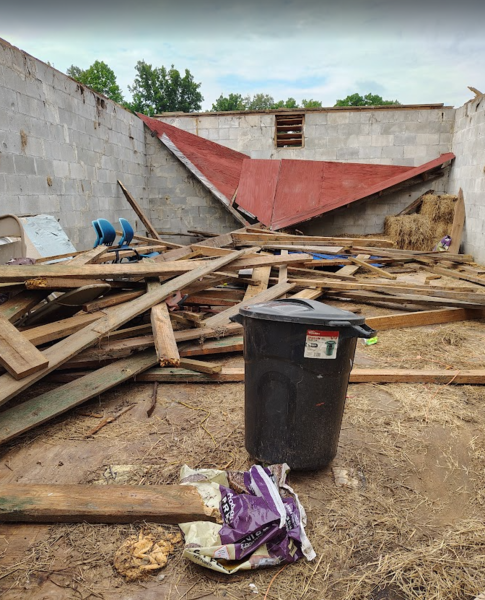
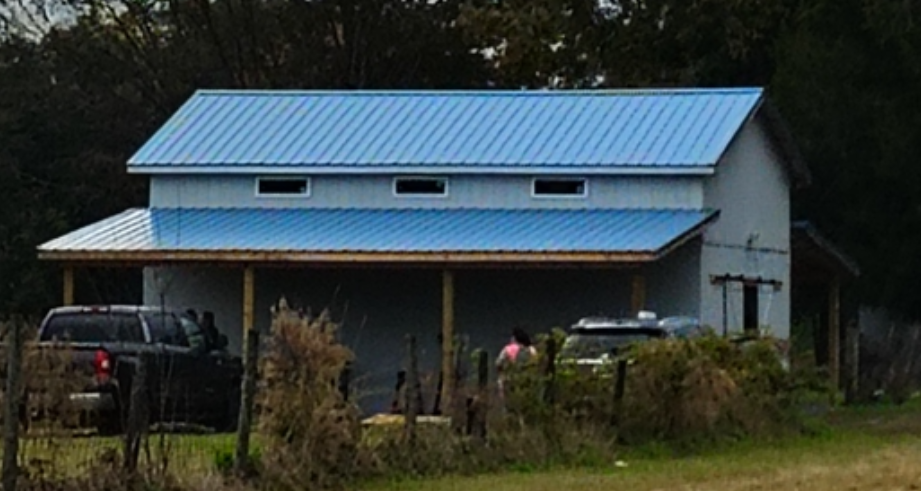
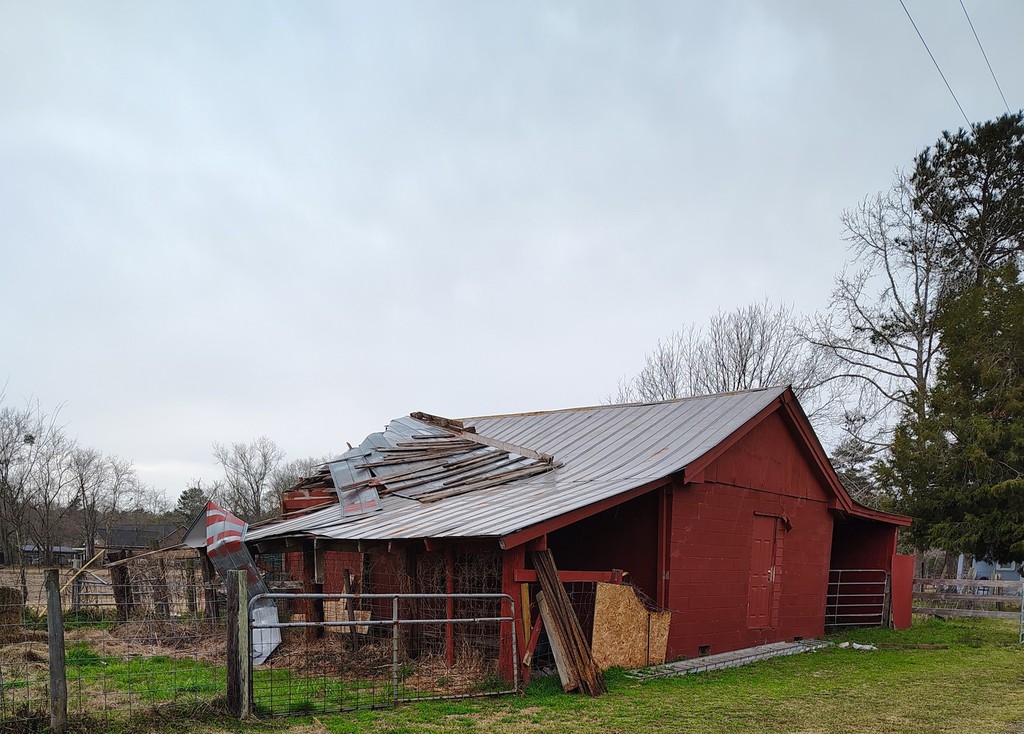
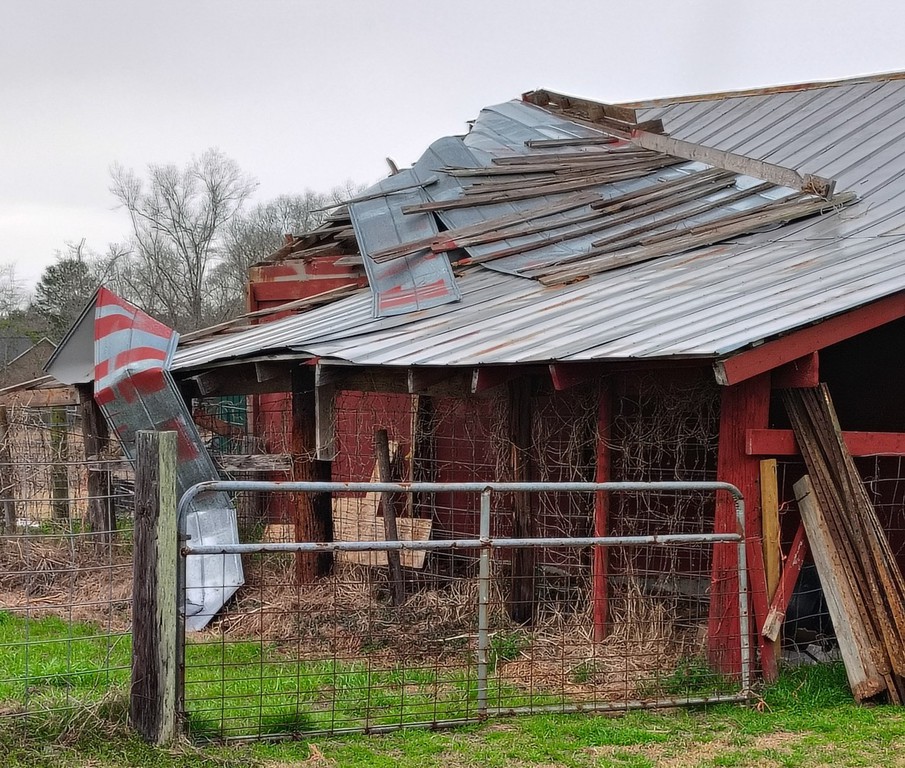
The Wassamasaw Tribe of Varnertown Indians has proudly completed a transformative renovation of our community farm barn thanks to the support of the 2025 Lowe’s Hometowns Grant. What began as a storm-damaged structure—severely impacted by Hurricane Helene—has been reborn as a fully functional, accessible, and revitalized hub for the Tribe’s growing food sovereignty program.
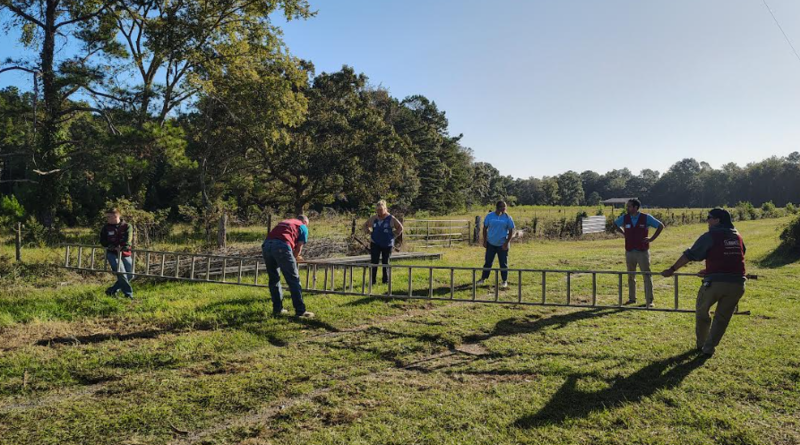
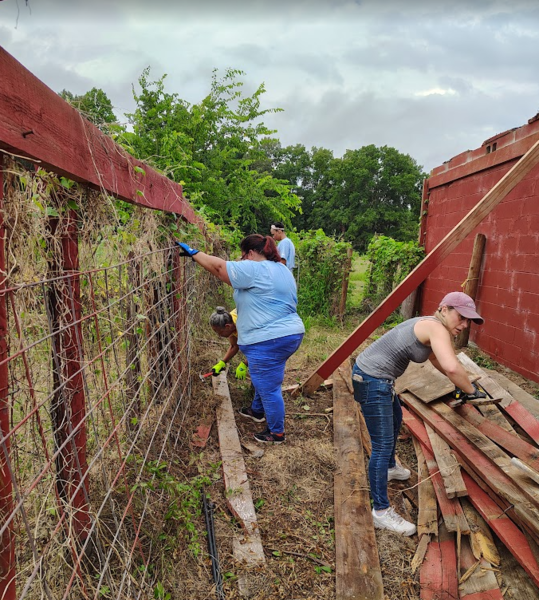
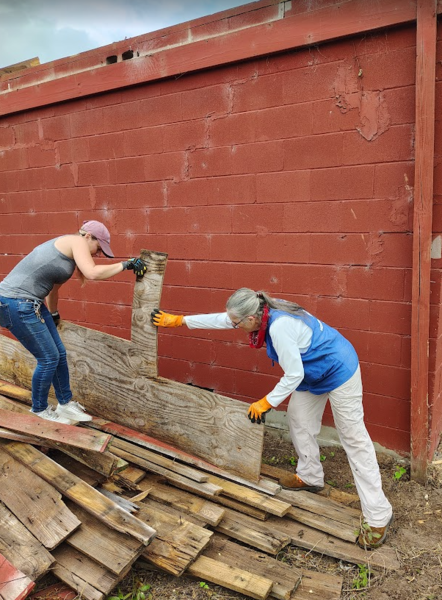
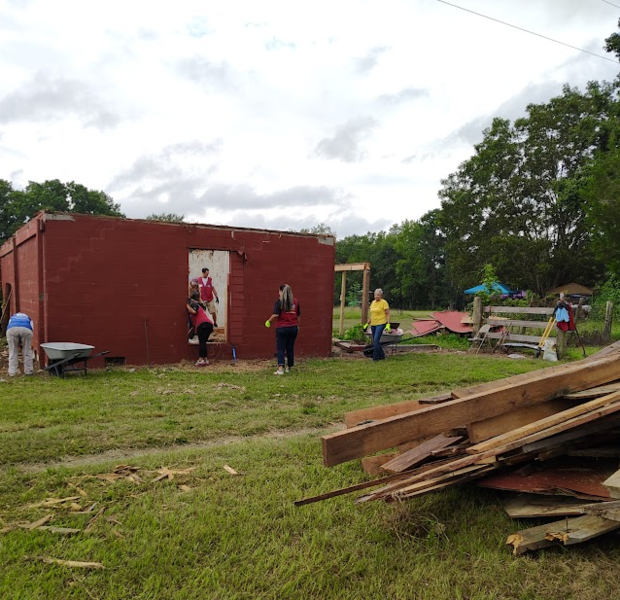
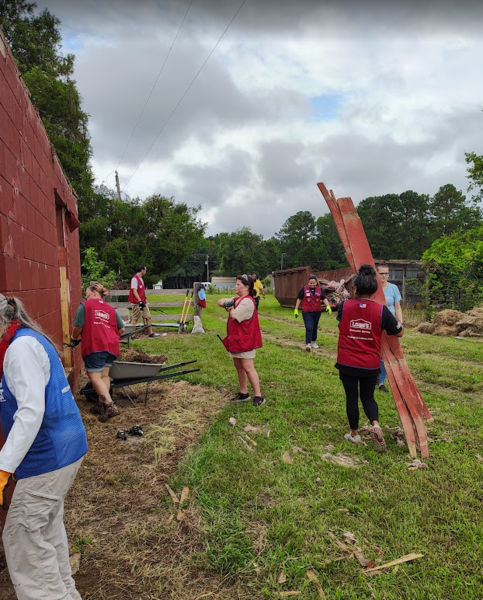
Work began in late August, shortly after the Tribe received the announcement of this highly competitive national grant. With coordination from the Tribal Board and unwavering community dedication, the project moved swiftly. Board leaders supervised the demolition of the collapsed roof, the unsafe lean-to structures, and the rotted flooring, carefully organizing each phase to ensure the structure could be safely rebuilt.
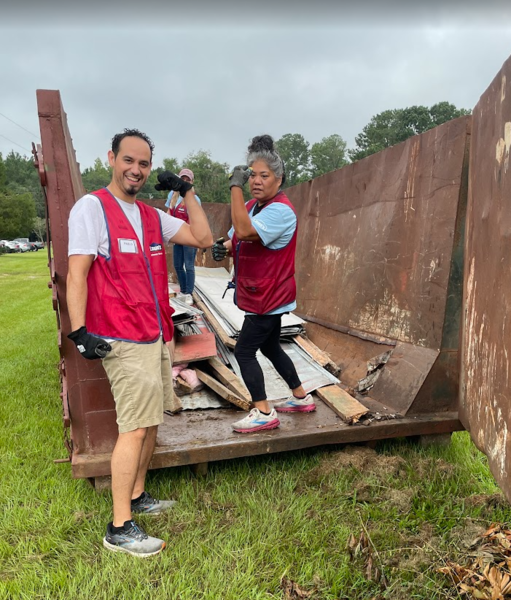
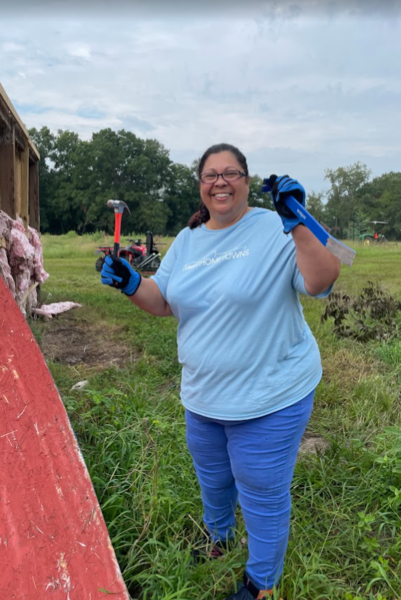
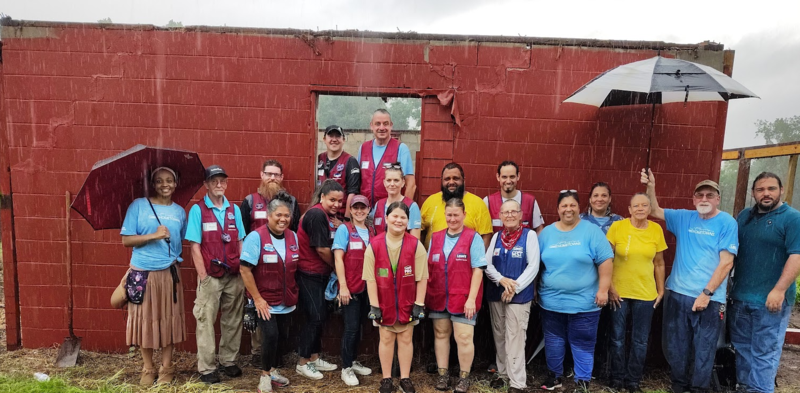
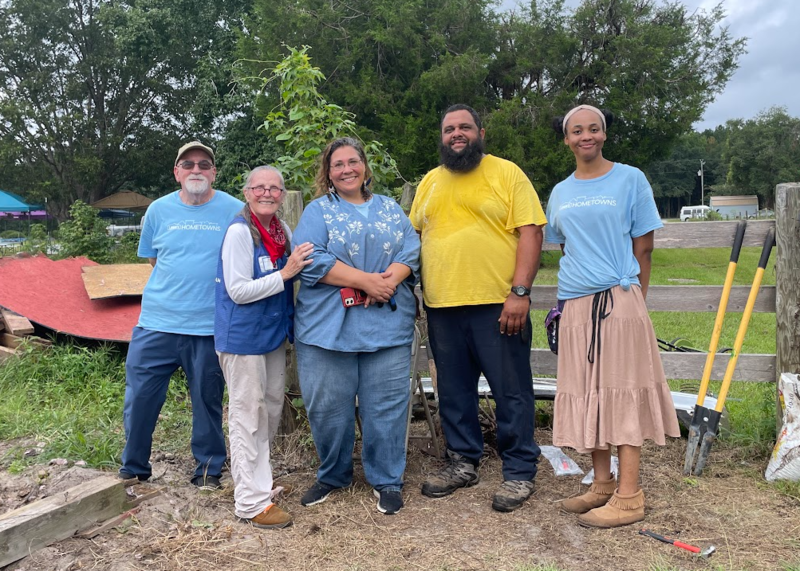
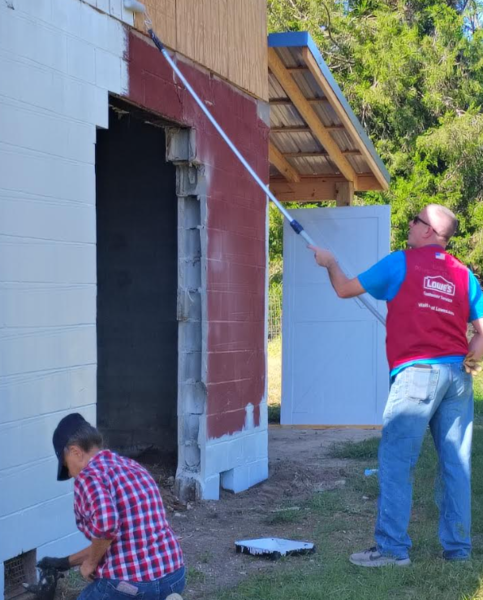
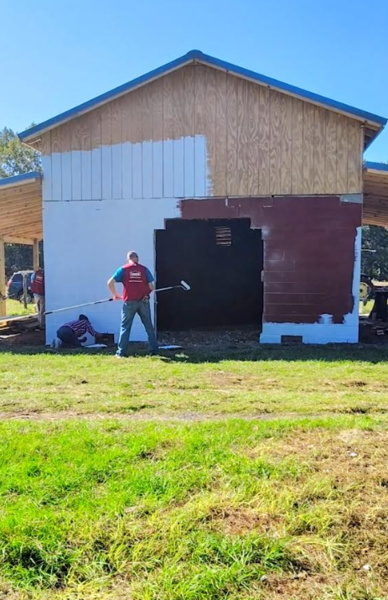
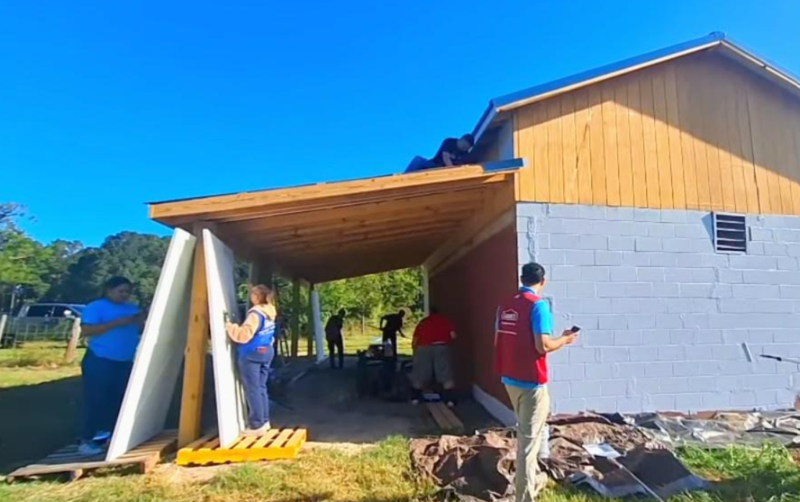
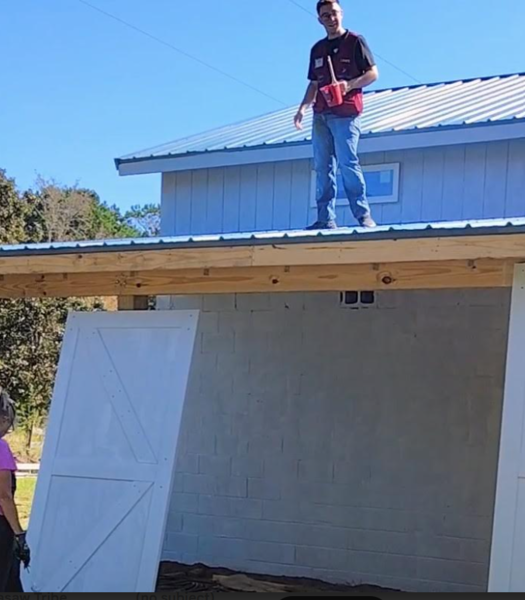
Lowe’s Red Vest volunteers played a pivotal role in the transformation. The first Red Vest Day brought a hardworking team of Lowe’s employees to the site, where they helped load destroyed roof materials, broken boards, and debris into dumpsters and assisted in removing the compromised wood flooring. Their energy and teamwork set the stage for reconstruction. The second Red Vest Day, held after the new construction was complete, focused on painting—giving the remodeled barn a clean, refreshed, and unified look that symbolized a new chapter for the Tribe’s agricultural efforts.
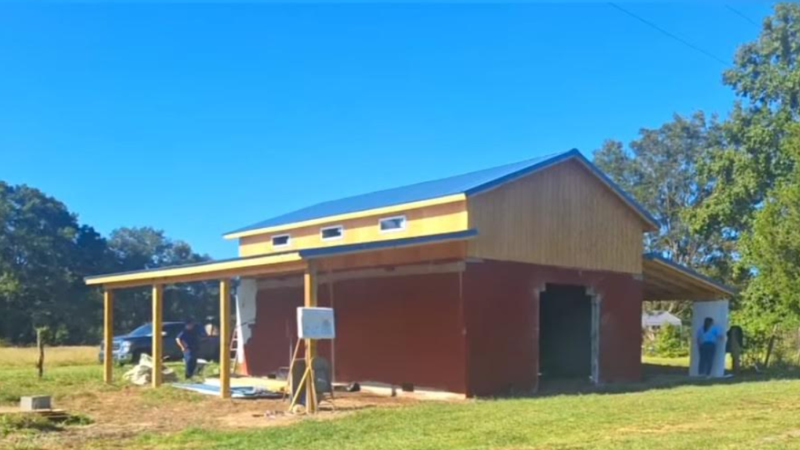
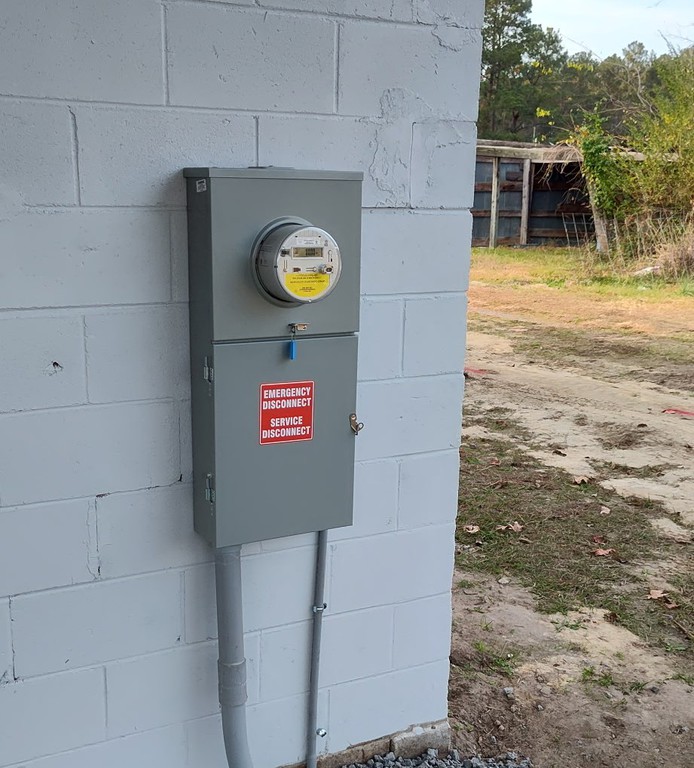
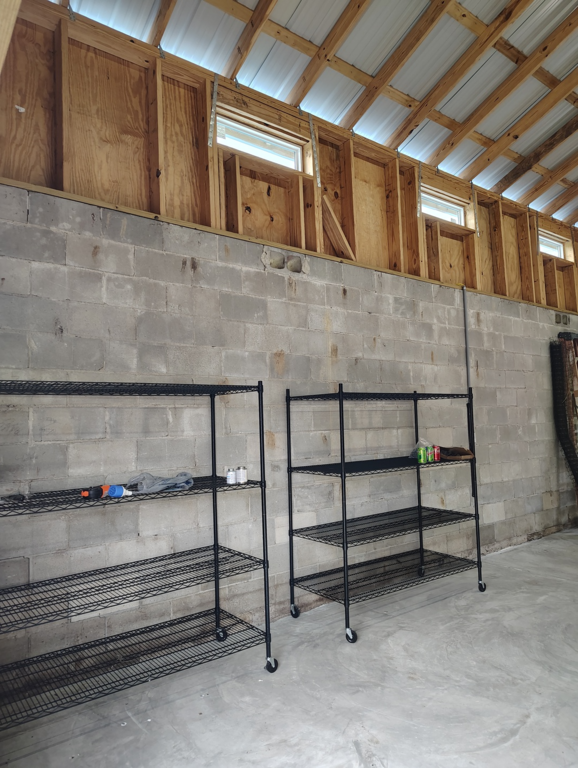
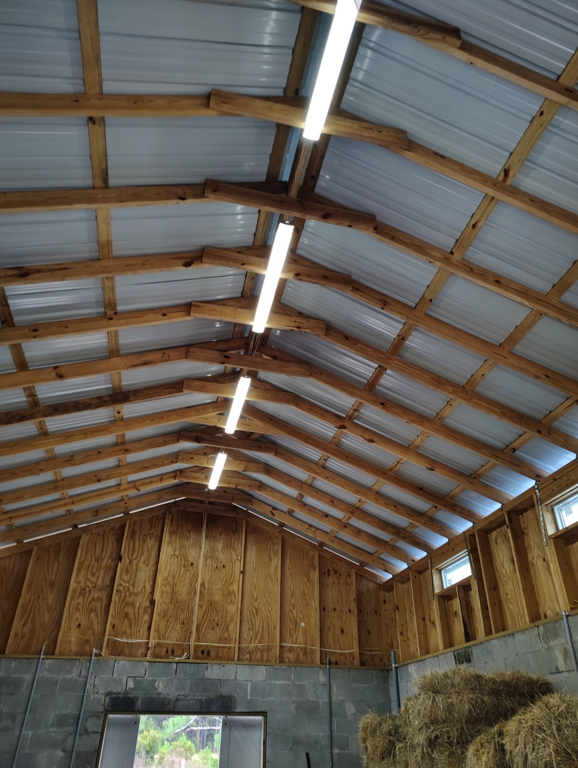
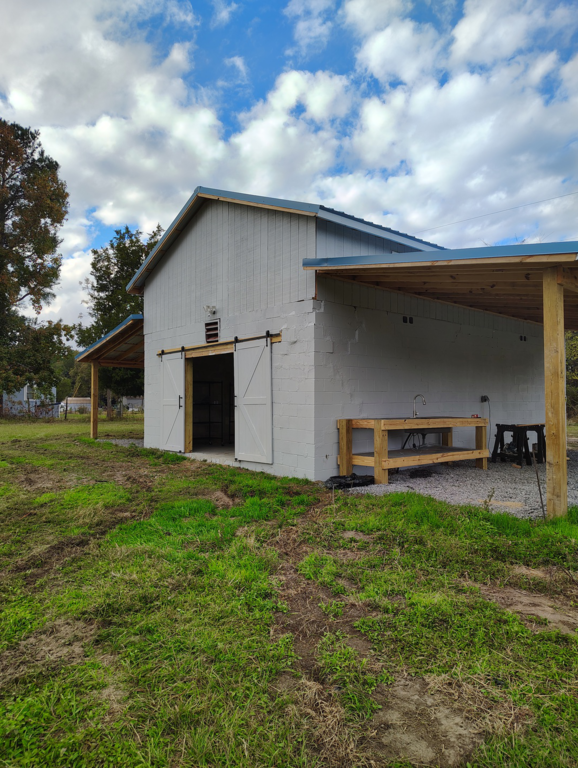
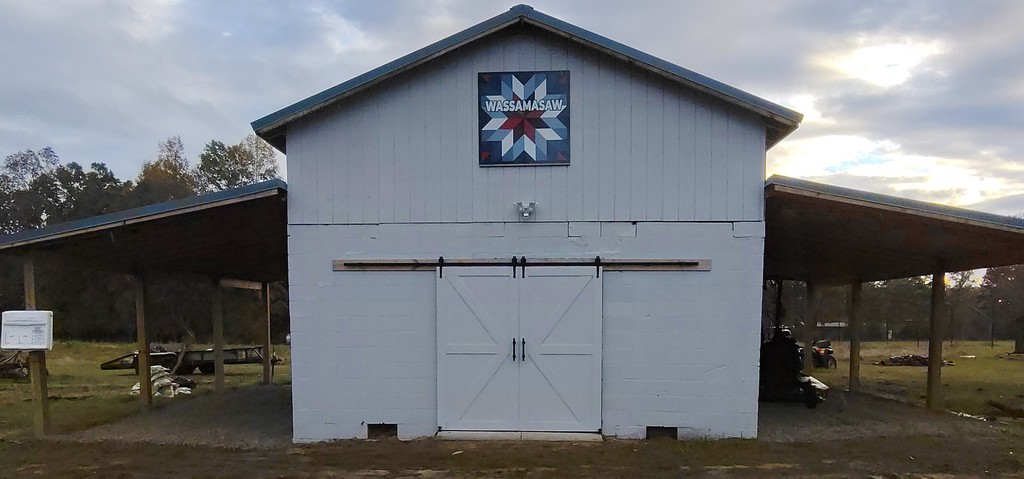
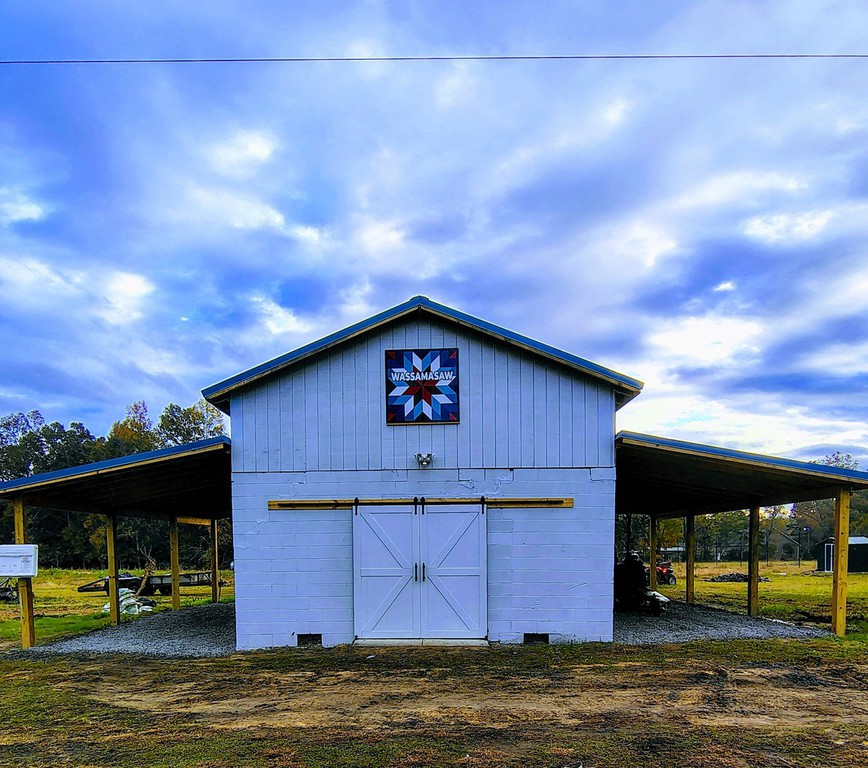
By early November, the barn stood completely transformed. The Tribe installed a new, higher roof with windows, rebuilt two lean-tos, and poured a durable concrete floor to replace the unsafe wooden boards. Electricity was added for the first time, providing interior lighting and exterior spotlights that allow the barn to be used safely year-round. Under one of the lean-tos, the team constructed a vegetable wash station with a sink and mesh drying racks—an essential addition that now allows freshly harvested produce to be cleaned and prepared on-site.
The renovation represents far more than a building upgrade. For the Wassamasaw Tribe, it is a symbol of resilience, restoration, and partnership. The revitalized barn strengthens the Tribe’s capacity to grow and distribute fresh foods, host educational workshops, and engage youth, elders, and volunteers in sustainable agriculture. The space now stands as a testament to what can be achieved when community vision, cultural stewardship, and corporate partnership come together.
With the support of the Lowe’s Hometowns Grant and the dedication of both the Tribal Board and the Lowe’s volunteer teams, the Wassamasaw Tribe has not only restored a building—we have strengthened the foundation of our food sovereignty work for generations to come.
2024 Garden Pictures - Still Learning & Growing
The 2024 year was very successful. We purchased our very own tractor for the farm, put up a tool shed, and put up a new gate and sign! We were able to put up an 8 foot deer fence around the perimeter of the 2 acres we are using to garden, as well as purchase and set up irrigation containers to help with watering the vegetables. Thanks to all of the community members who came out for planting day. We had a very good crop of corn, zucchini, tomatoes, potatoes, radishes, mustards, lettuce, and other vegetables from the garden. Food was distributed at the tribal events, members were able to come out to the garden to pick their own vegetables, and food bags were given out to some of the tribal elders. More lessons were learned this year and we got one high tunnel fully completed. Thank you to the Garden Committee for all their hard work. We are getting closer to food sovereignty as a tribe!


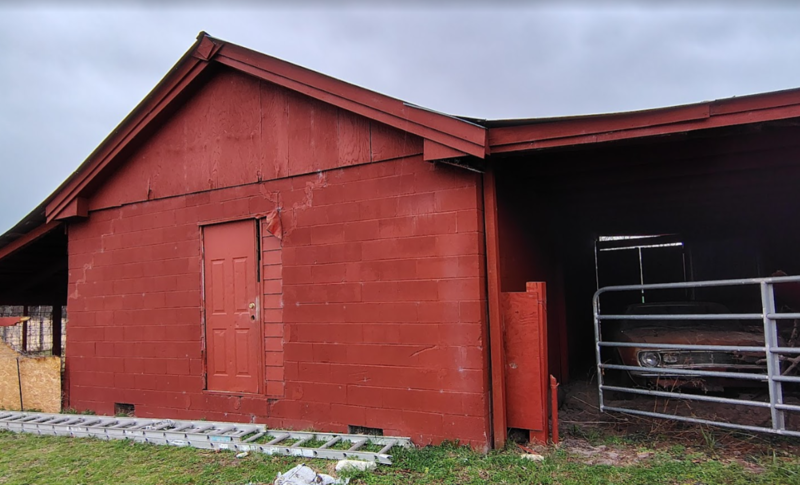
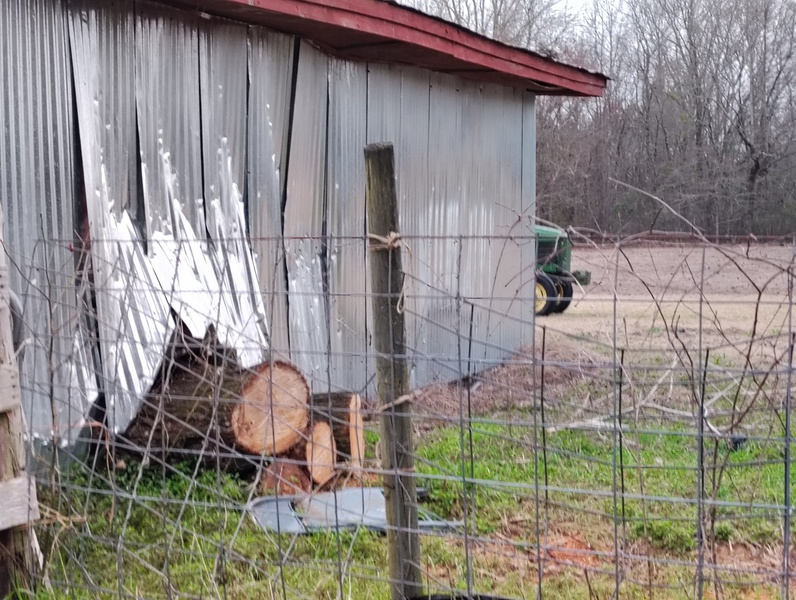
Unfortunately, in October we did get some damage from Hurricane Helene. A tree beside the barn fell and damaged the side wall, and the tin roof of the barn was severely damaged. We also had damage to one of the high tunnels that we have been able to now repair. For the barn repairs, since they are much more extensive, we will be working on funding in 2025 to fully renovate it by redoing the roof, and resupporting the structure and adding back a lean to section on each side for our equiment to be stored under. See pictures of the hurricane damage. Anyone wishes to volunteer to help, please email wassamasaw@hotmail.com to let us know.
2023 Wassamasaw Garden Pictures: How It All Started!
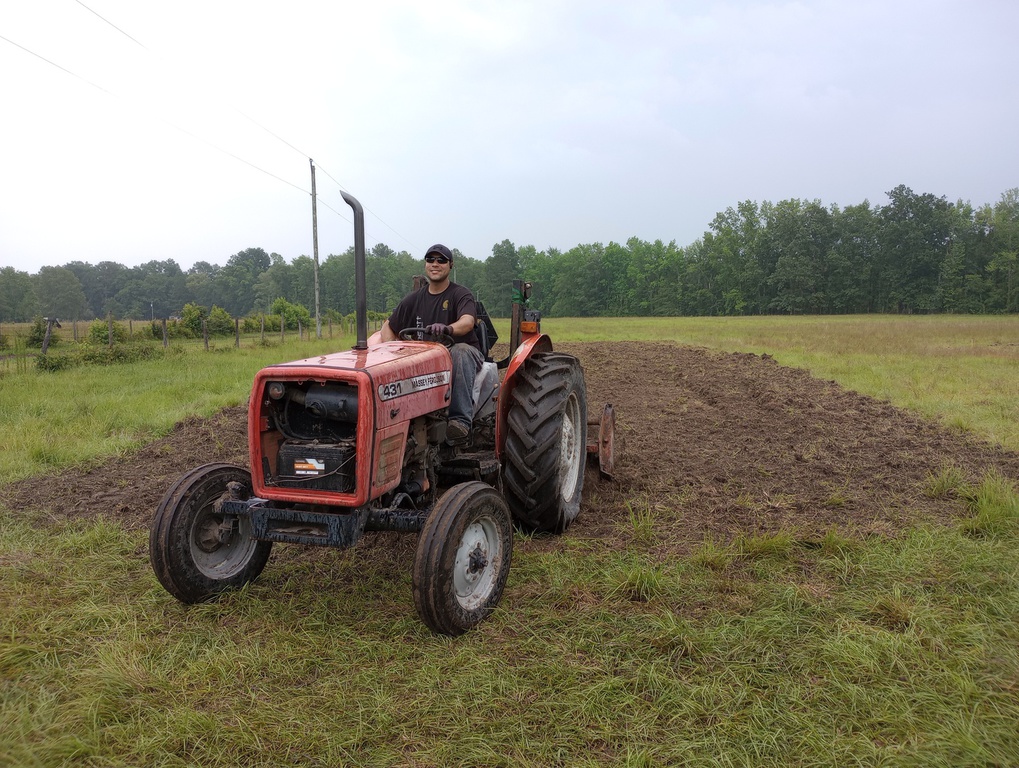
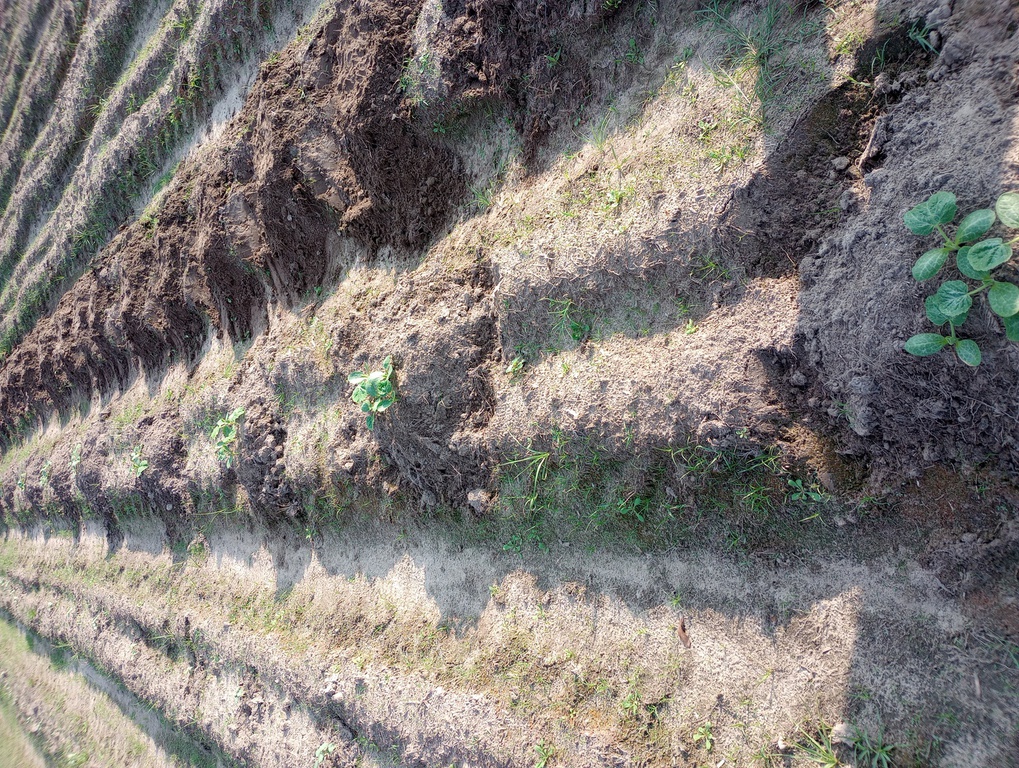
Cutting the grass to get ready to till


Bottom plowing and spreading the lime & ready to fertilize
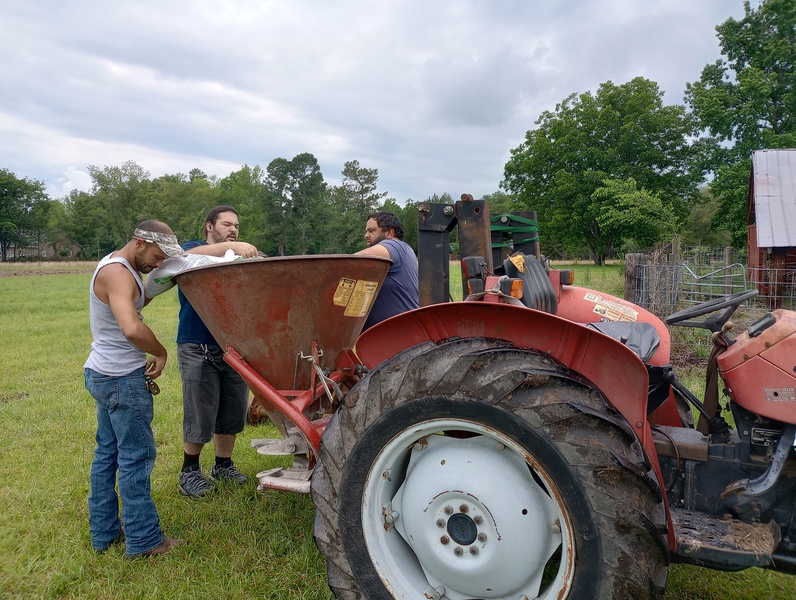
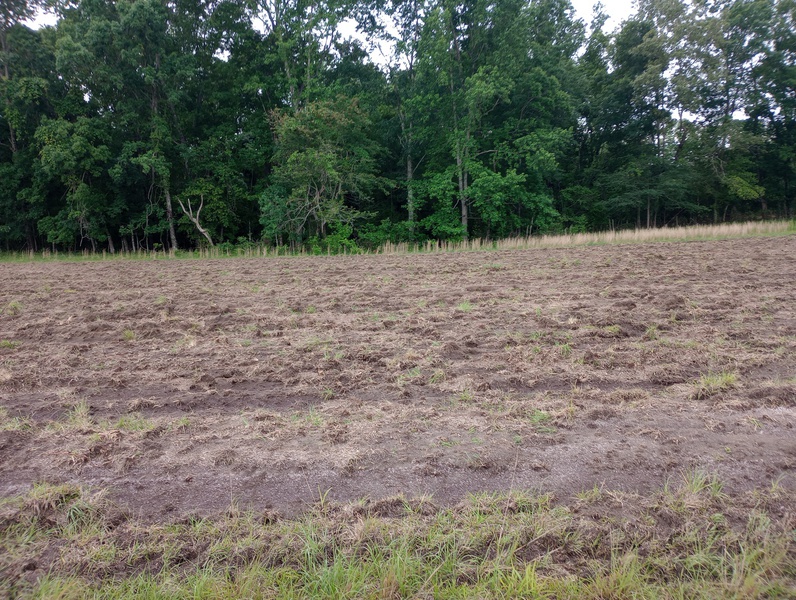
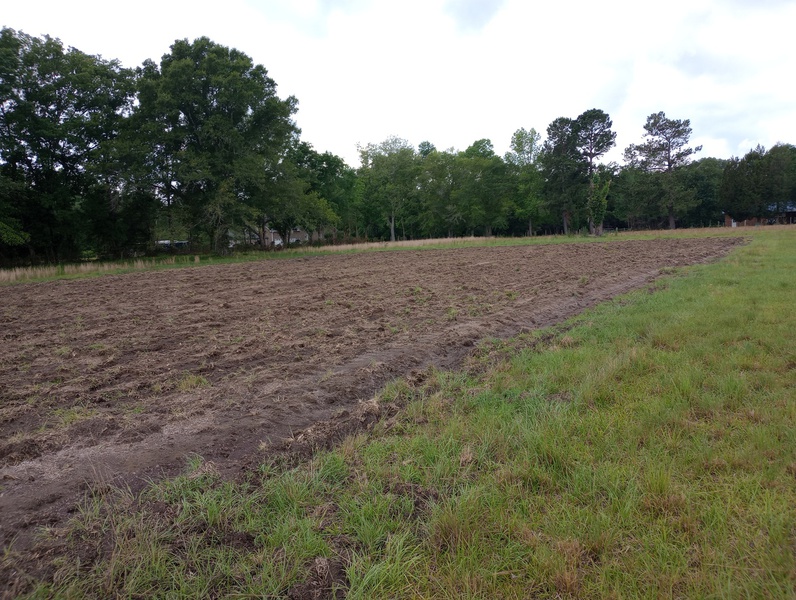
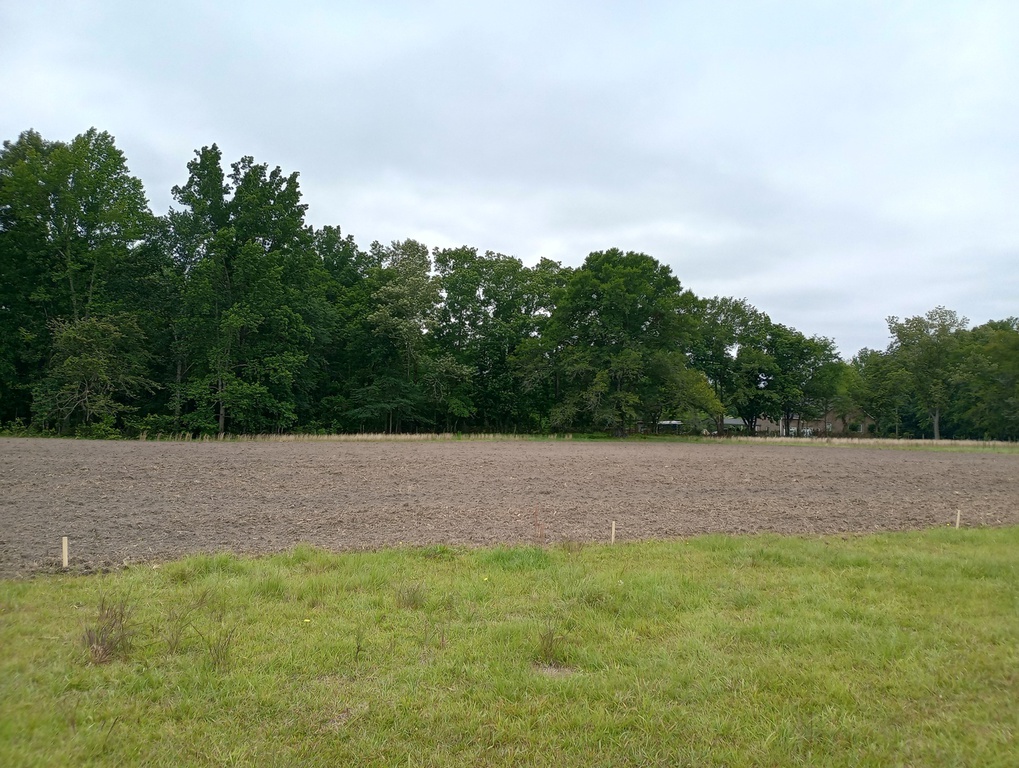
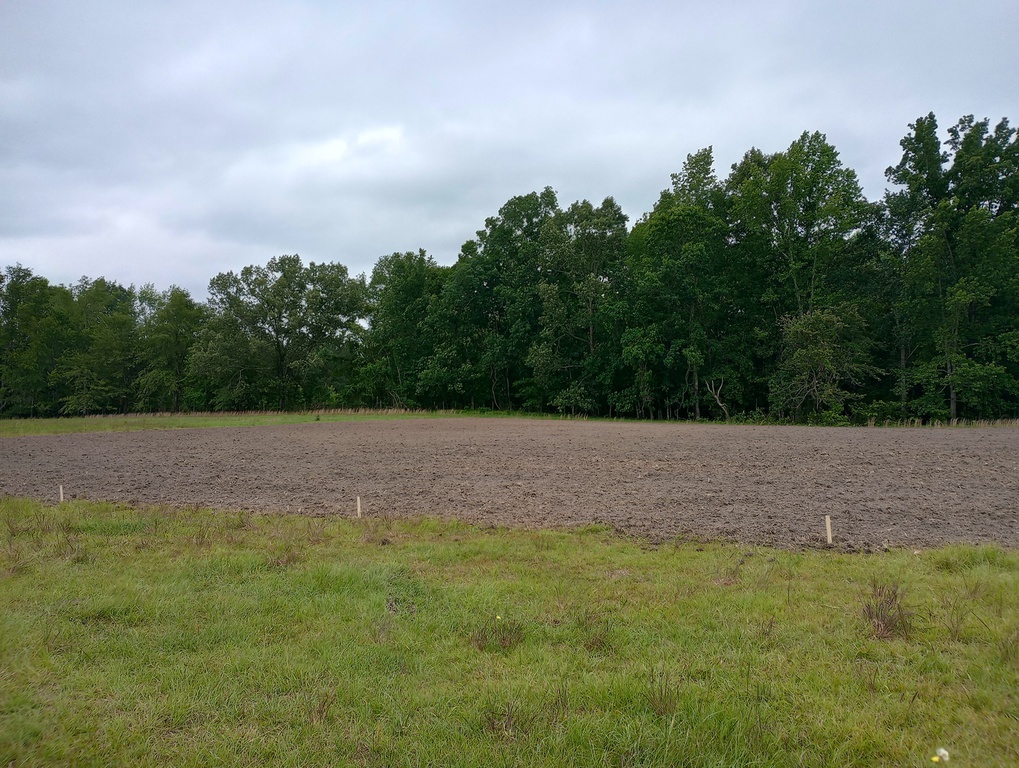
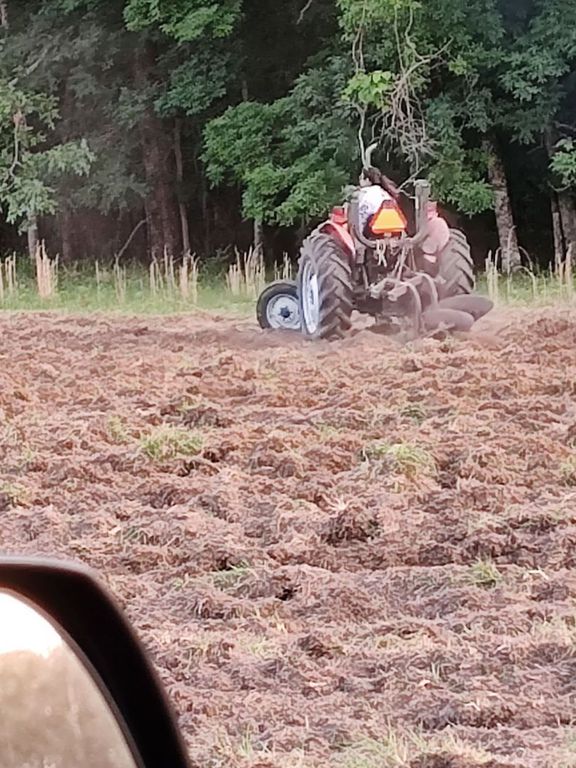
Cultivating the ground, around the rain showers
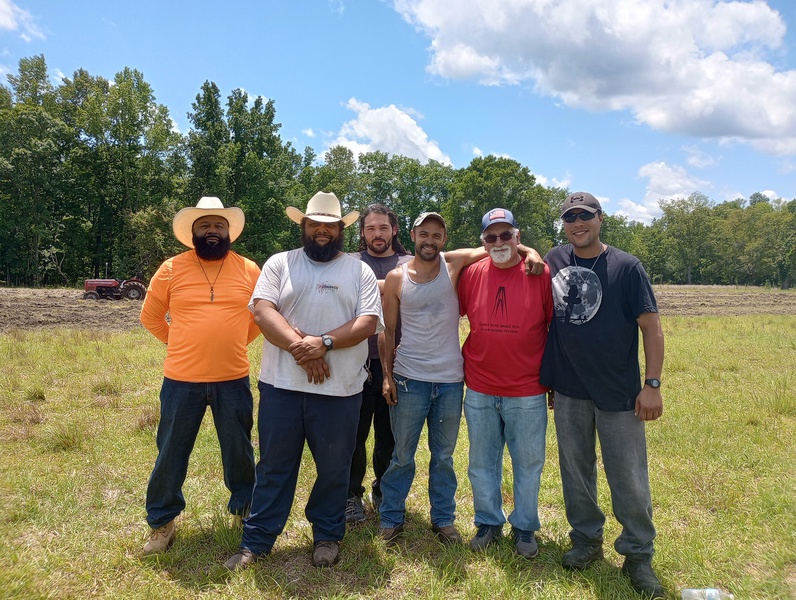
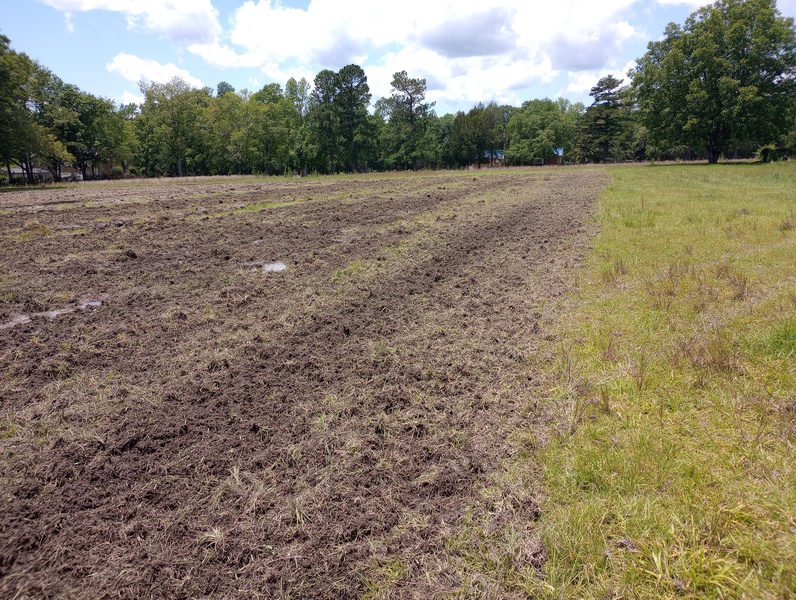
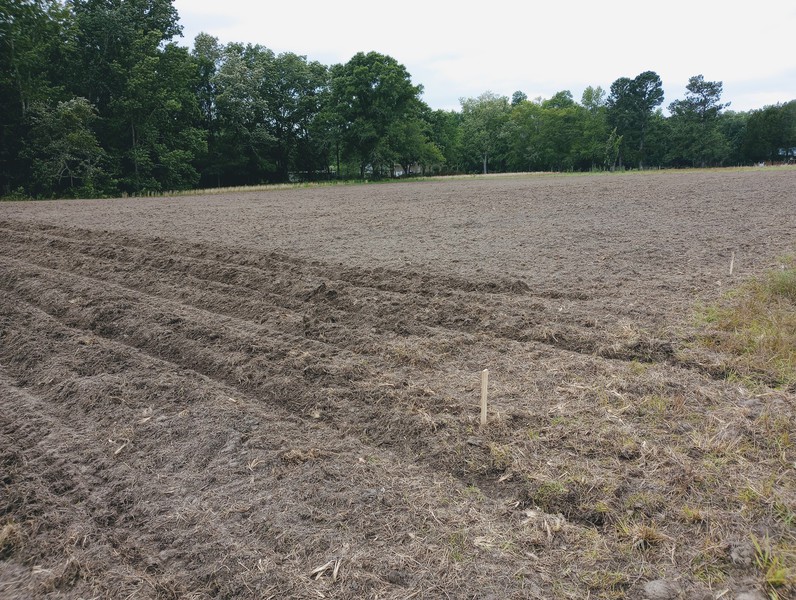
Creating the rows
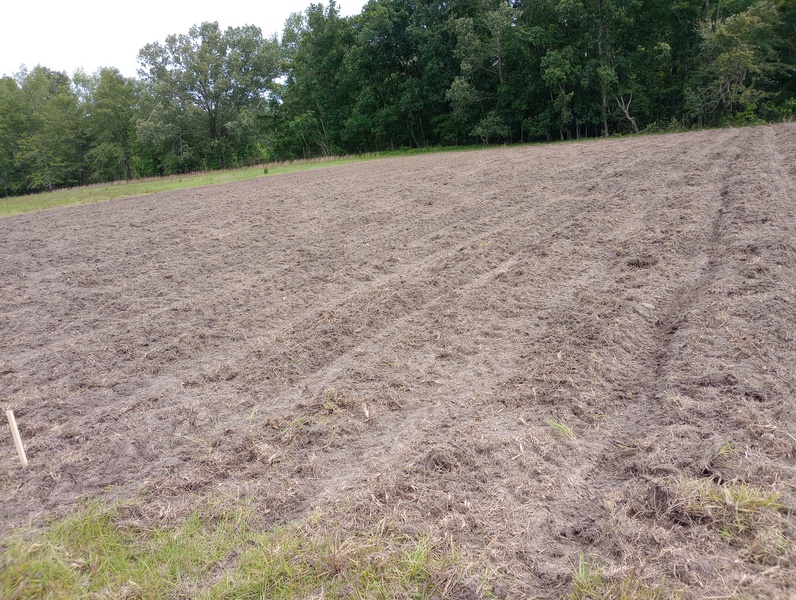
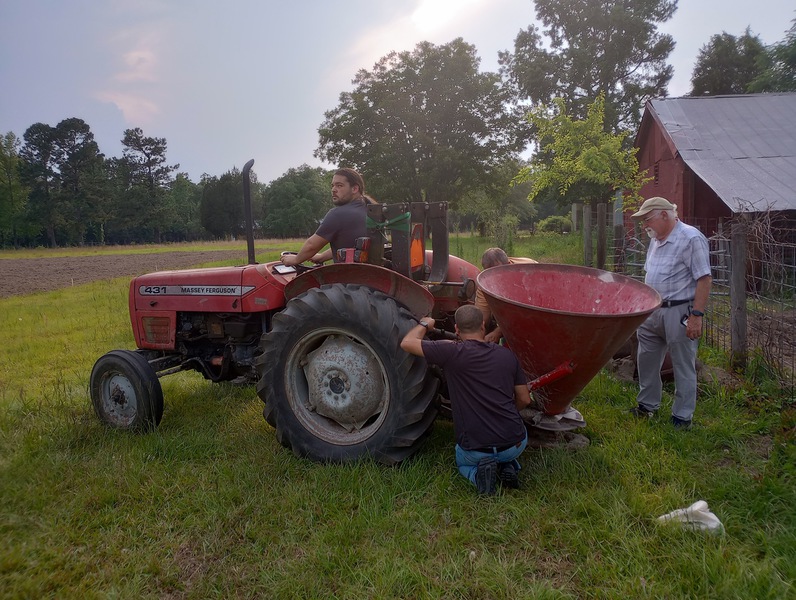
Changing out the attachments
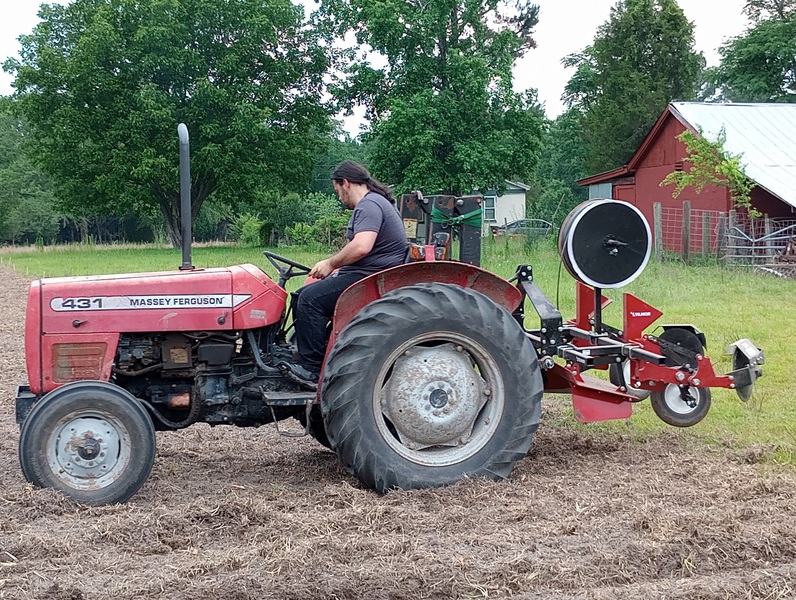
Putting down the plastic to start planting
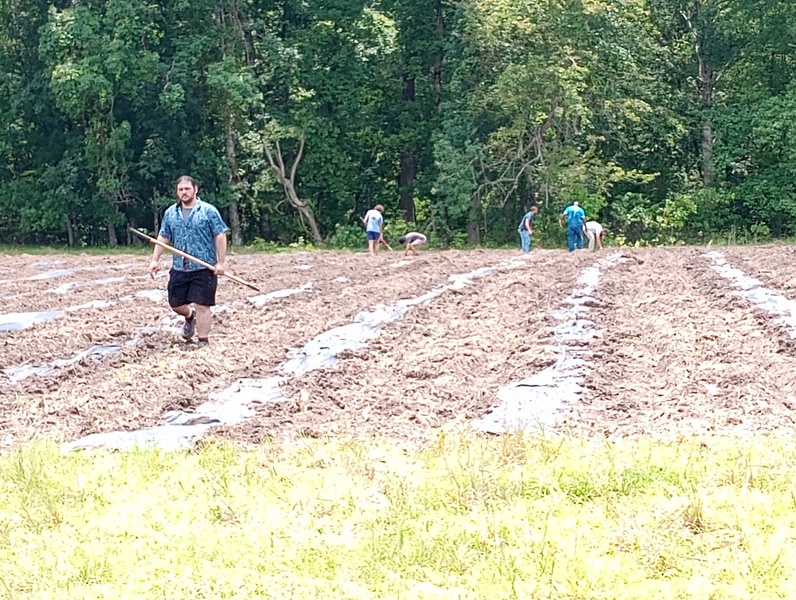
Planting day


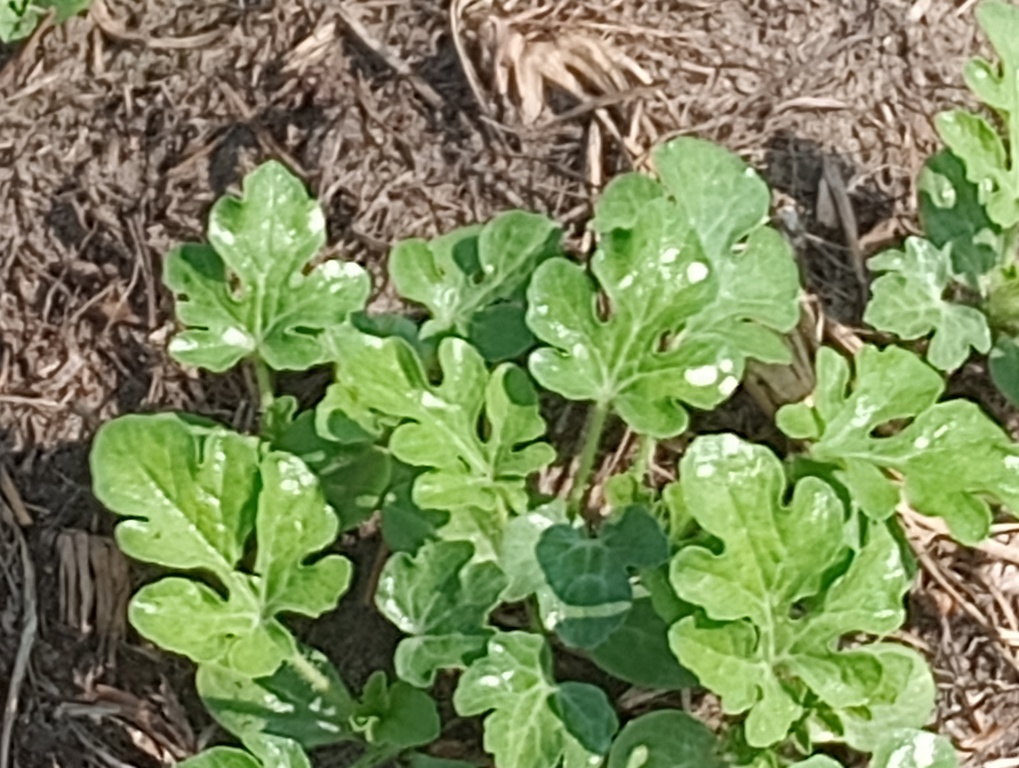
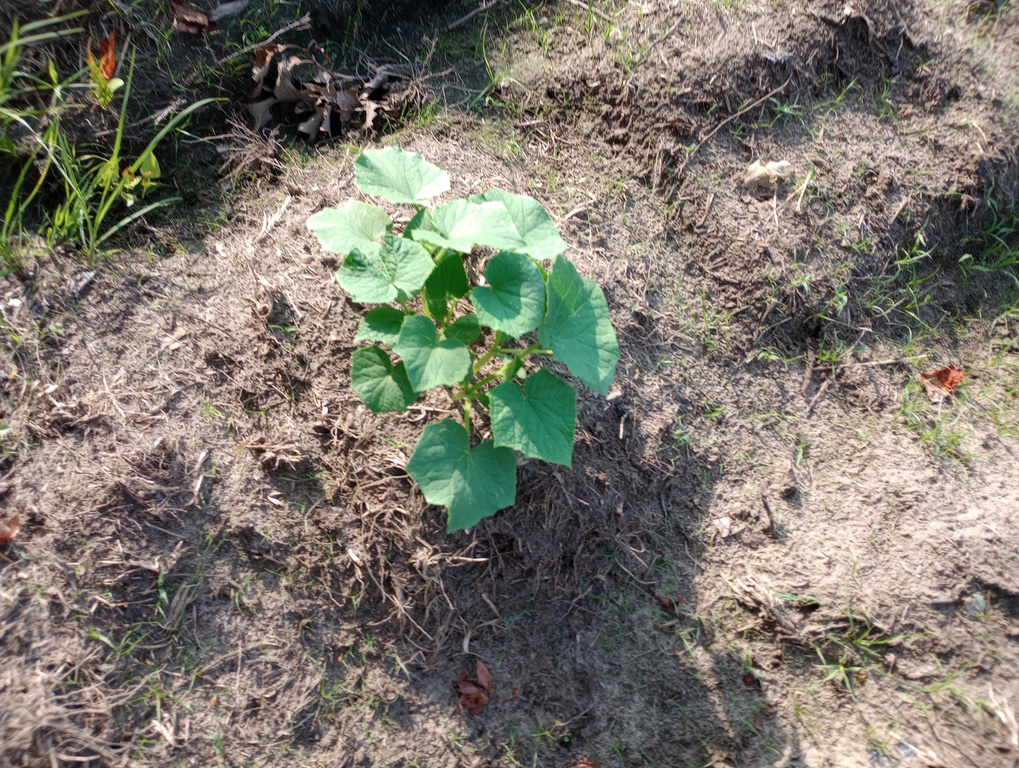
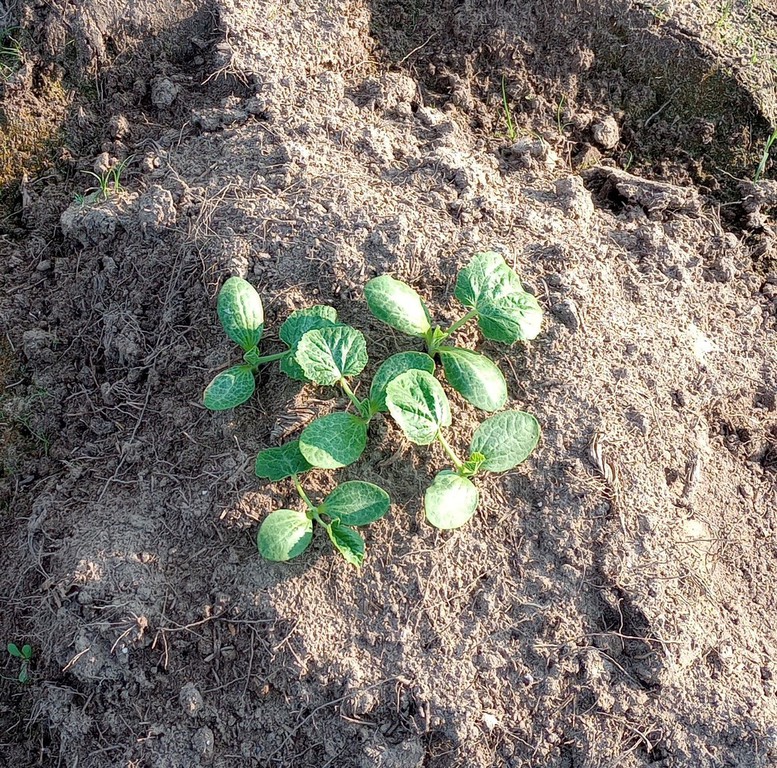
Spouts & more growth
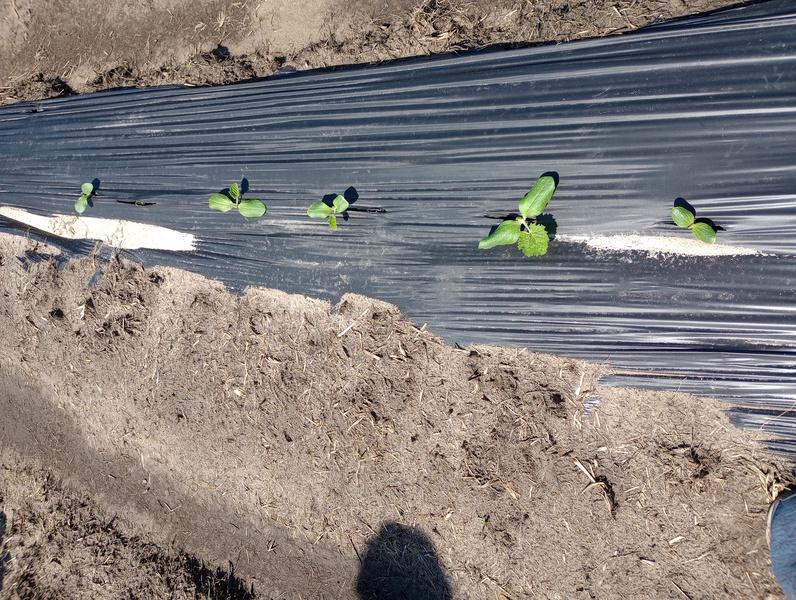
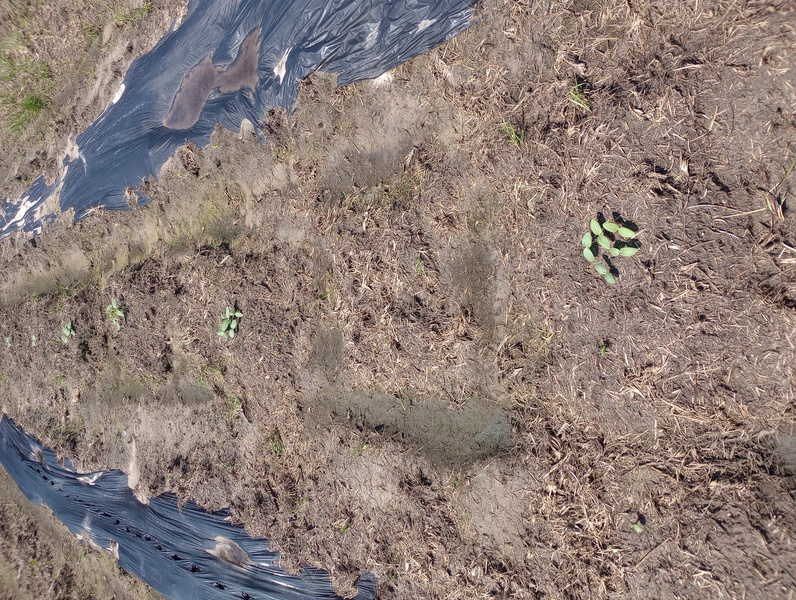
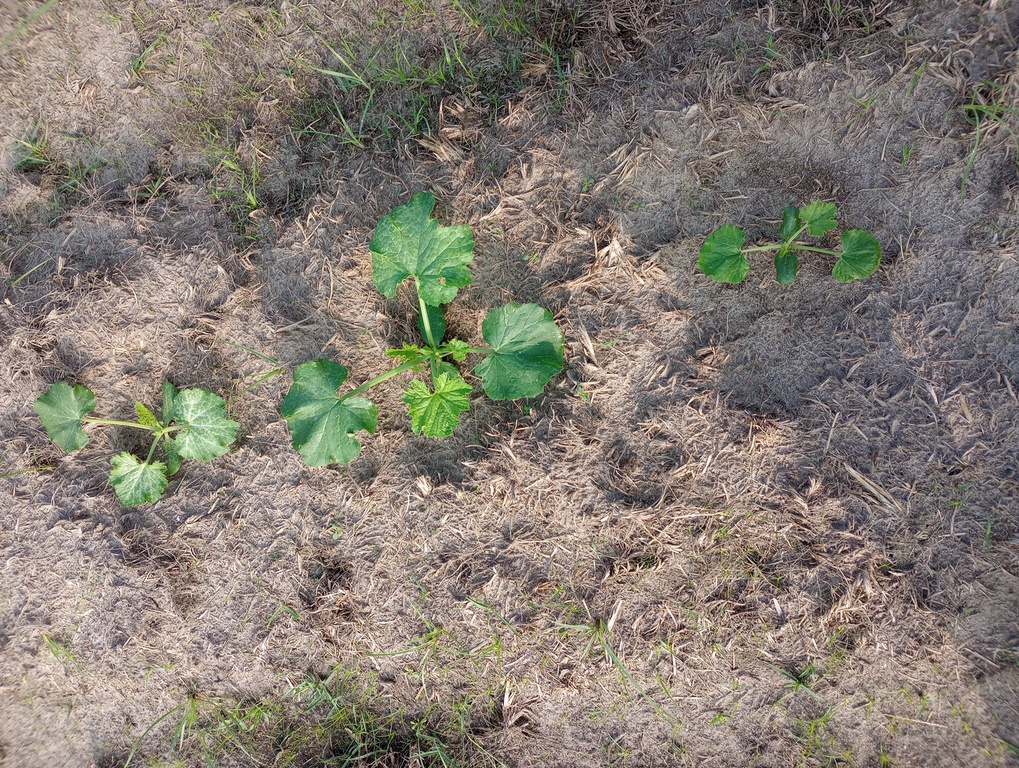
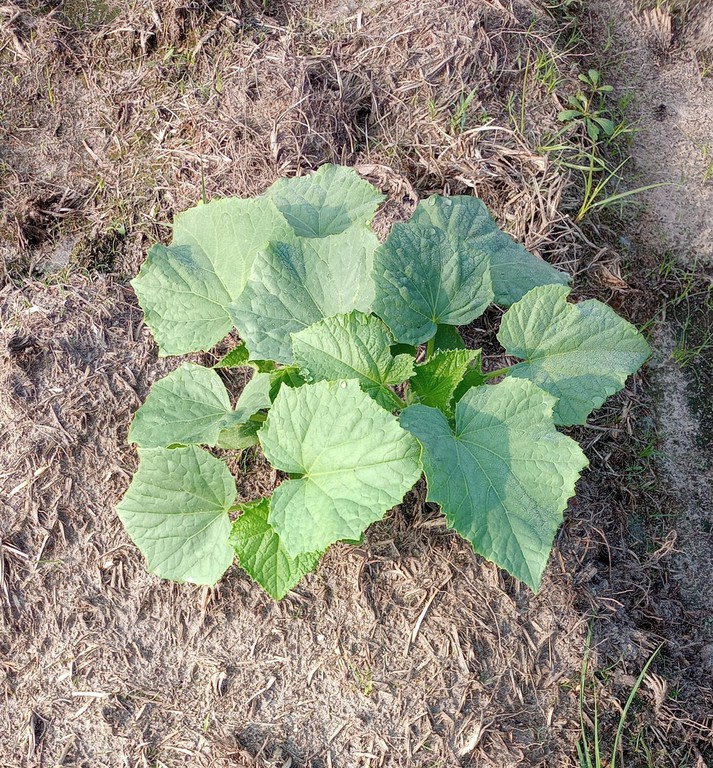
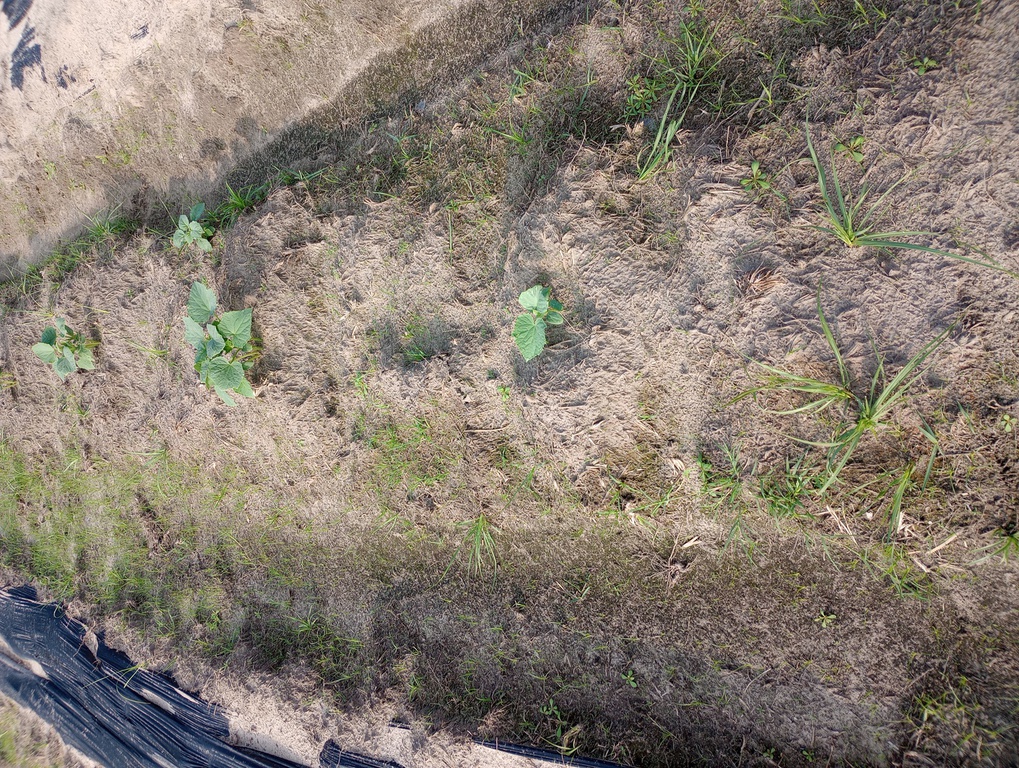
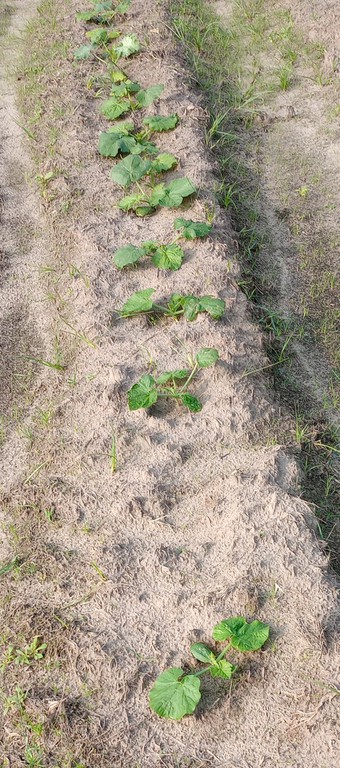
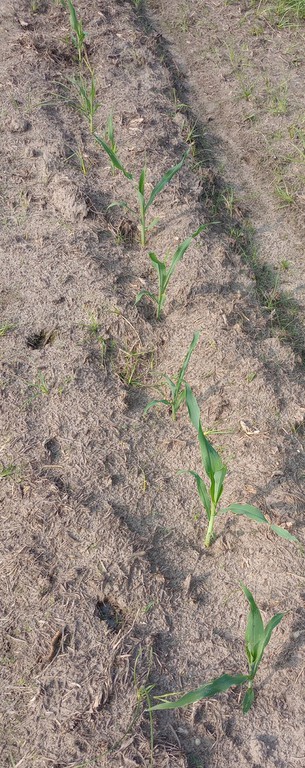
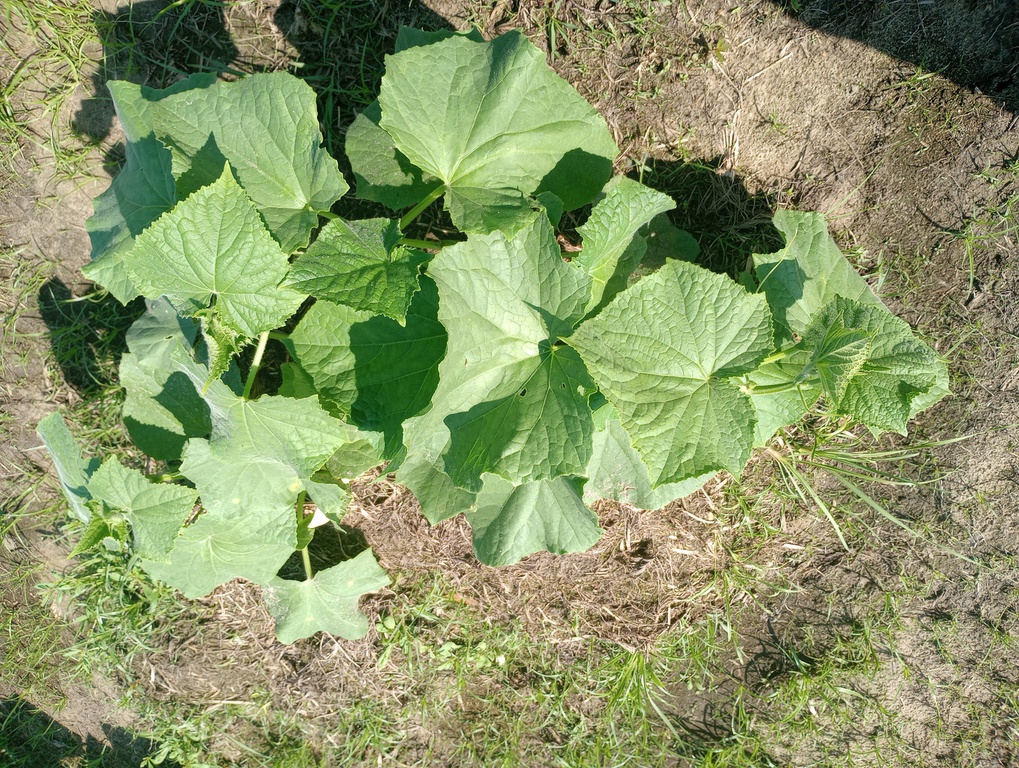
Plants beginning to mature
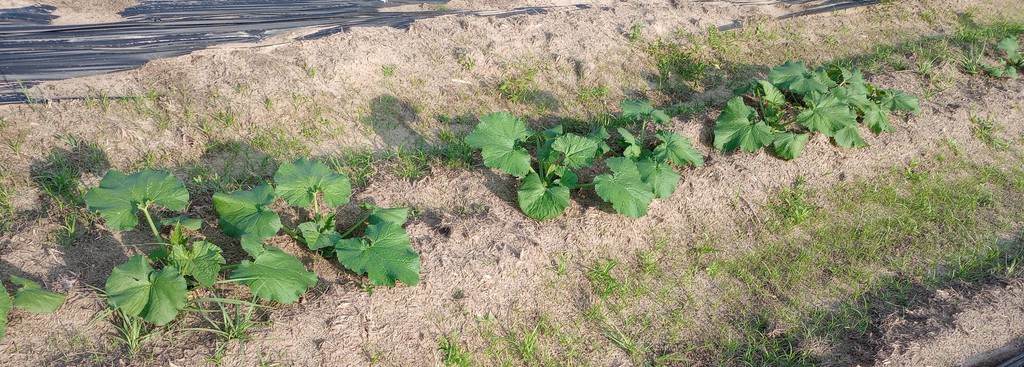
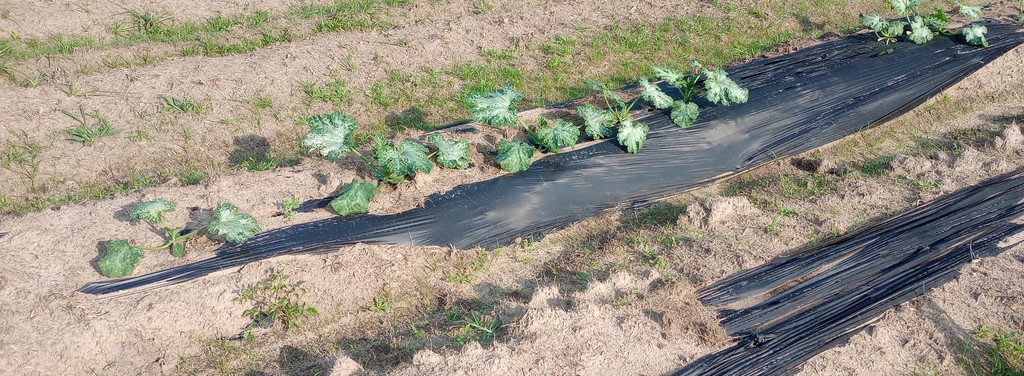
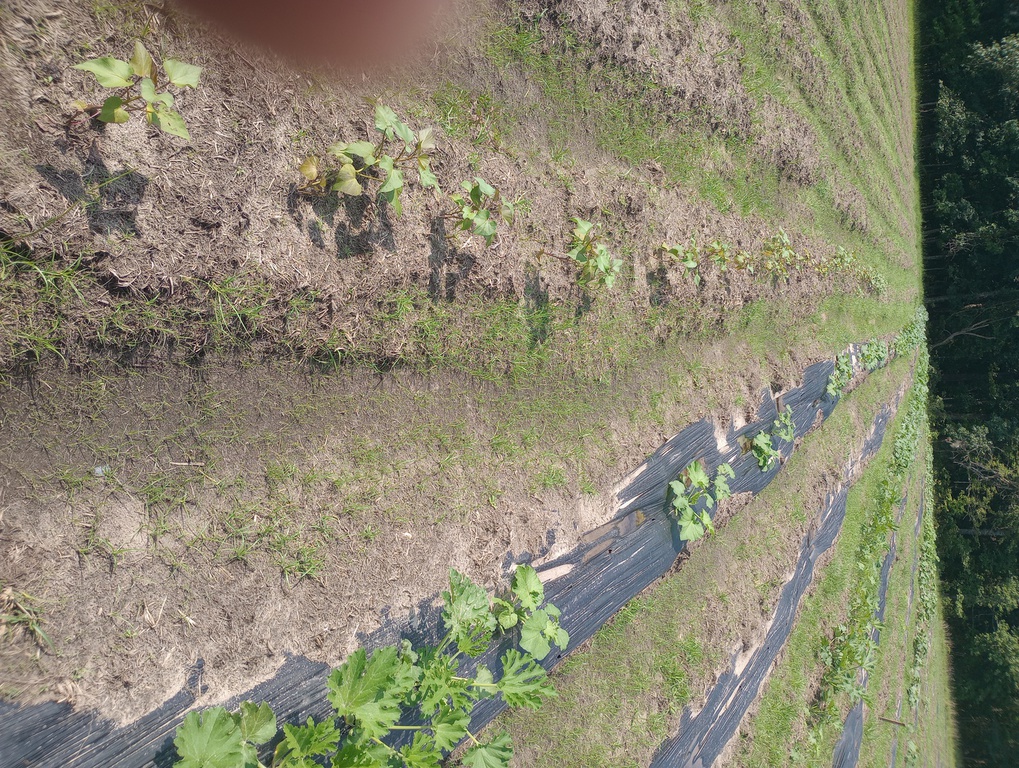
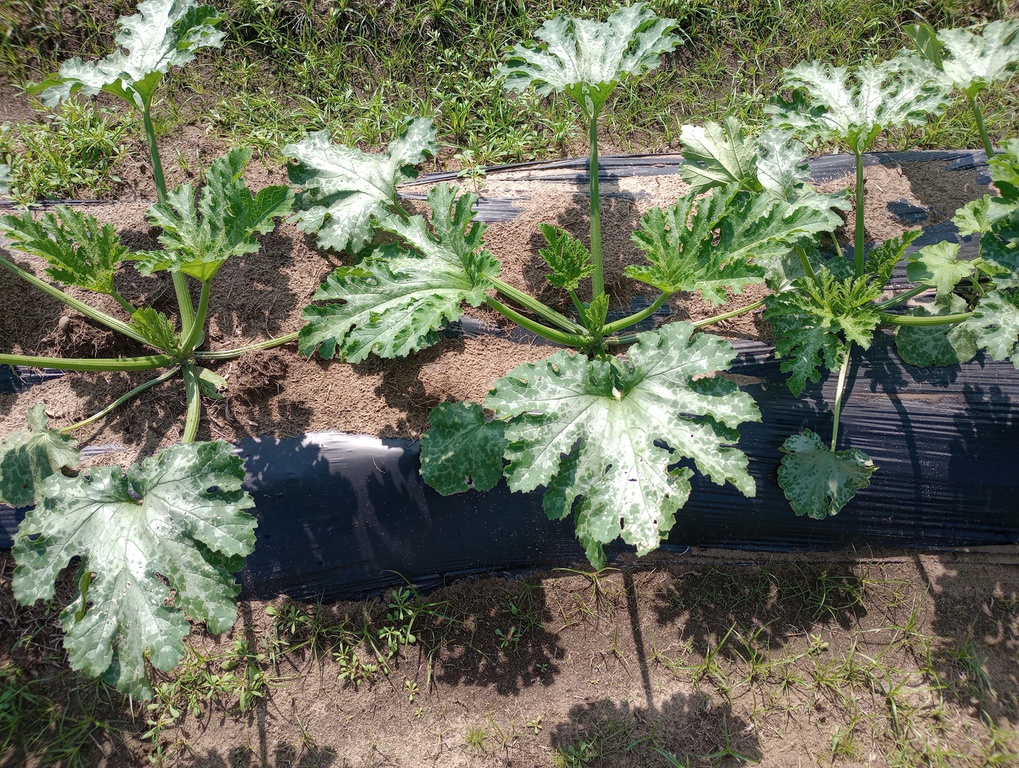
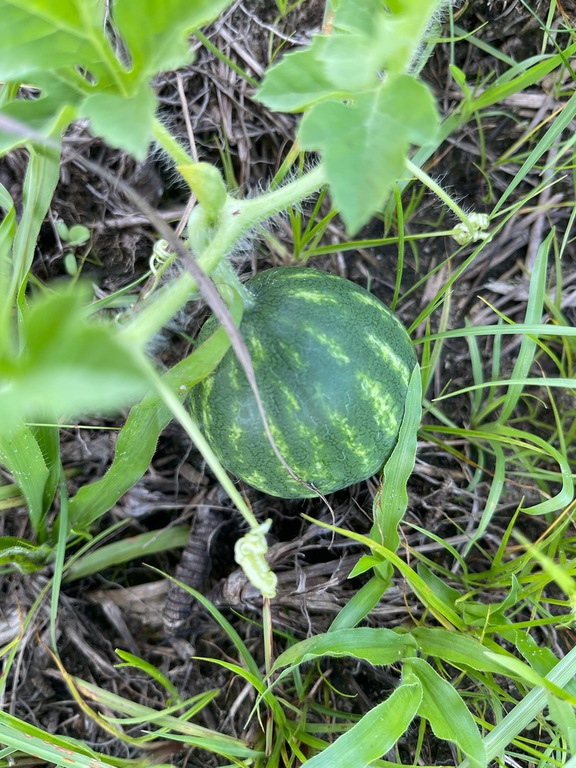
Ready to harvest


Figuring Out How to Put up High Tunnels


Support Us

Help Us With Our Capital Campaign to Build the Wassamasaw Tribal Center on Calamus Pond Road in Summerville SC.
https://www.zeffy.com/fundraising/wassamasaw-tribal-center-phase--1
Although we are a State Recognised Tribe we are also organised as a 501(c)(3) non-profit organization. As a public charity, we welcome your support. If you would like to volunteer your time or pro bono work, please contact us for a list of our most needed items or volunteer opportunities. If you would like to provide financial assistance, please use the PayPal link below.
Get Social with Us


 Share
Share Print
Print 